

Roll forming metal shapes is just one of our capabilities!
From your idea, we can design, manufacture, finish, package, palletize, and ship your custom parts, on time and on budget.
With more than 35 roll formers and related metal forming equipment, MP Metal Products has the capability to roll form a wide range of profiles. We process metal strip, coil and sheet in gage thickness from 0.005" up to 0.165", and widths up to 48" depending on the shape. MP Metal Products specializes in private-label manufacturing typically for OEM accounts expecting quality parts delivered on time.
Your custom metal parts begin with quality and economical roll forming by MP Metals, but it doesn't stop there. We offer many other capabilities including:
Stamping
Some metal parts may be better suited to stamping rather than roll forming because of size, annual quantity, gauge or other factors. A joint review of your print will help guide the manufacturing direction.
Embossing
Some parts may require a textured, knurled pattern, a logo, a date of manufacture, or other identification. In those cases, a discussion of the requirements during the print review is beneficial. For example, sometimes roll tools have to be cleared to prevent “ironing” out the desired marking.
The process of embossing makes a three-dimensional image on the material. The raised image is formed with pressure using rolls to imprint the pattern. Often times embossing can be incorporated in the roll forming process.
When parts require identification for traceability one possible solution is to emboss the details onto the surface. This works well for Logos, Dates, ID numbers and the like.
When surfaces require cosmetic or architectural enhancements, embossing offers possible solutions. Common embossing includes wood grain patterns, diamonds and the like.
Press Braking
As a general guideline, most of our equipment can accommodate vertical leg heights up to 3". For taller parts Press Braking may be an option. However, Press Braking may limit the overall length to 12 feet or less. It is best to discuss the print and part requirements to plan a desirable and economic manufacturing process.
Punching
When slots, notches, miters and related holes are necessary, there are a few options to consider. We can discuss whether they should be punched before, during, or after the roll forming process. Tolerances and location are major considerations. When holes are punched in the flat, they may distort or elongate during the forming process. The location of a pre-punched hole will also vary more, possibly up to +/- 0.25" or more depending on the distance from the pre-punch press(es) to the cut-off press.
When tighter location tolerances are required, such as +/- 0.010", it is usually appropriate to post-punch the holes. A print review and discussion are appropriate to plan the most economical, quality oriented manufacturing process.
Welding - TIG & MIG
Welded, commodity Tubes are outside our current capabilities. We focus on specialty sizes for OEM applications. Both TIG and MIG welding are possible. Currently TIG programs are robotically welded while MIG production is done manually. Leak-proof testing is available if needed.
Bending
Many times “bending” is confused with “roll forming”. We focus on “roll forming” which is a process that typically uses coil, but occasionally uses blanks or sheets when appropriate. Bending is often done in a set of 3 independent rolls that curl a blank up into an arc of some sort. The manual Pines bender is a good example.
In contrast, roll forming is a series of mating round steel dies that progressively form a shape using a few to many stands. The machine stands are connected and have Vertical adjustments and Horizontal considerations.
Paints, Oils & Coatings
If the volume warrants, pre-painted metal may be an option. Economical lots begin typically around truckload lots.
A print review is in order to address any zero T (tight) bends. If a form is too tight there is an opportunity for metal and paint to fracture.
Galvanizing
Usually steel parts that are used in construction and building applications require protection from rusting. A hot dipped galvanized coating of G60 is fairly common. If the part will be used outdoors, then a galvanized coating of G90 or more is more appropriate. If the part you have in mind will be welded and powder-coated, then a Hot Rolled or Cold Rolled finish would apply.
Cover Printing
Proper identification and labeling of parts is important for traceability and future service. For example we print Customer Logos, Product Numbers and related information on plastic covers to facilitate future repair or replacement. Other parts are mechanically imprinted with production dates and part details.
Pre-Painting Finishing
When volume permits then buying pre-coated coil offers a durable, color consistent option. Typically at least truckload quantities are required to be economical. Using a Primer finish is also possible for parts to be color coordinated later with a paint application.
If welding or other processing steps are required, then cold-rolled steel for example may be a better way to proceed. A print review is in order to guide the best approach.
Cladding
If the volume and application warrants it, there are alternatives to using pre-painted coil, such as Laminol, Tedlar, and the like. Coil coated laminates are produced with a tightly controlled process that coil coaters specialize in. Laminated coatings typically provide longer lifetime performance. Truckload lots and more are common.
Inkjet Labeling
Following ISO and other best practice requirements, proper identification and labeling of parts is important for traceability and future service. We can print Customer Logos, Product Numbers and related information, for example, on plastic covers to facilitate identification, future repair or replacement. Another option may be to mechanically imprint production dates and part details.
In Line Operations
If slots, notches, miters and related holes are necessary there are options to consider. Should they be punched before, during, or after the roll forming process?
The desired location and tolerance are major considerations. When holes are punched in the flat, they have an opportunity to distort and elongate during the forming process. The location of a pre-punched hole will also vary more, possibly up to +/- 0.25" or more depending on the distance from the pre-punch press(es) to the cut-off press.
When tighter location tolerances are required, such as +/- 0.010", it is usually appropriate to post-punch the holes. A print review and discussion are appropriate to plan the most economical, quality oriented manufacturing process.
Secondary Operations
When the location of holes is important, like holding a tolerance of 0.010", that usually leads to a secondary operation after the part is fully formed. This avoids any elongation and expanded tolerances from pre-punching. A print review and discussion are appropriate to plan the most economical, quality oriented manufacturing process.
Assembly
Some customers require bulk assembly of parts we make with other components. For example, we print inkjet identification on plastic covers that we then slip over the metal parts we roll formed.
Packaging & Shipping
Located in the Midwest, MP Metals is centrally located to take advantage of advantageous shipping rates. We also have a Packaging department skilled in the building of custom crates and shipping containers. While there are a variety of packaging options to consider, it is helpful to understand the part a customer wants and how it will be used. Constraints such as size and weight deserve attention. Gaylord boxes work well for shorter parts that can be bulk packed. Corrugated boxes are suitable for longer lengths, often in the 8 ft to 12 ft range. Wooden skids and plastic re-usable totes fit other applications. A review of the print and volumes will help direct the appropriate packaging. Read more about our Shipping and custom Packaging options HERE.
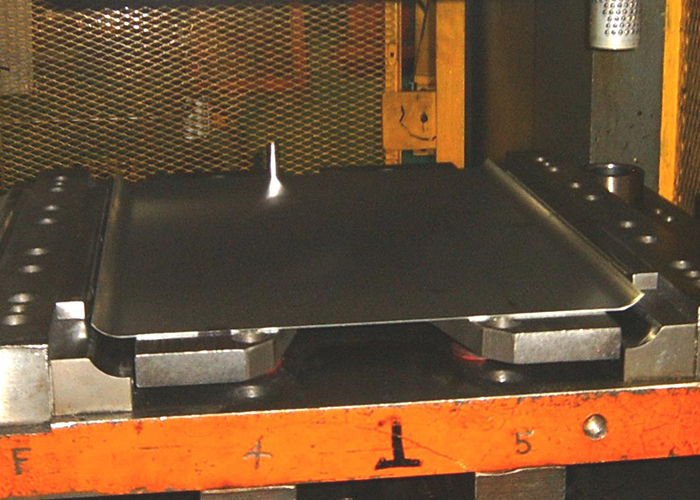
Stamping - MP Metals
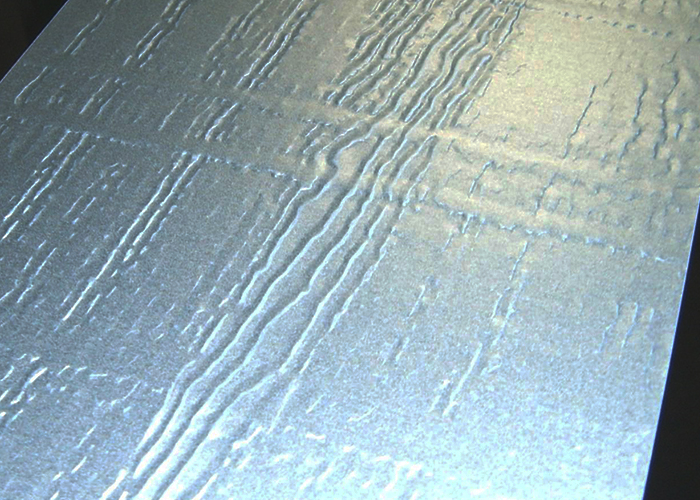
Rough sawn embossing - MP Metals
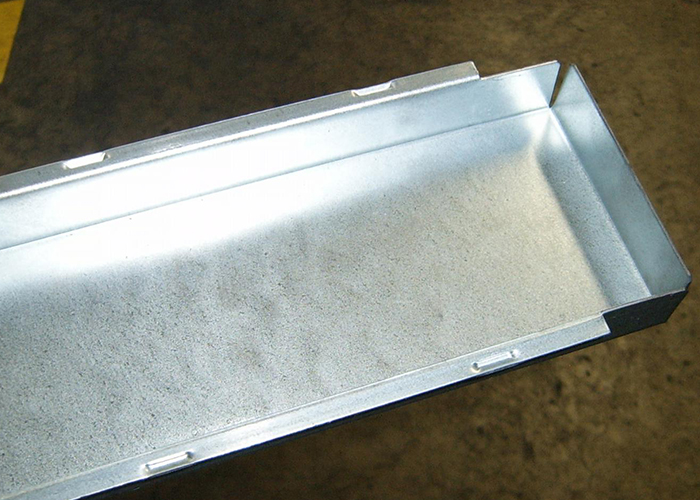
Post punch lance - MP Metals
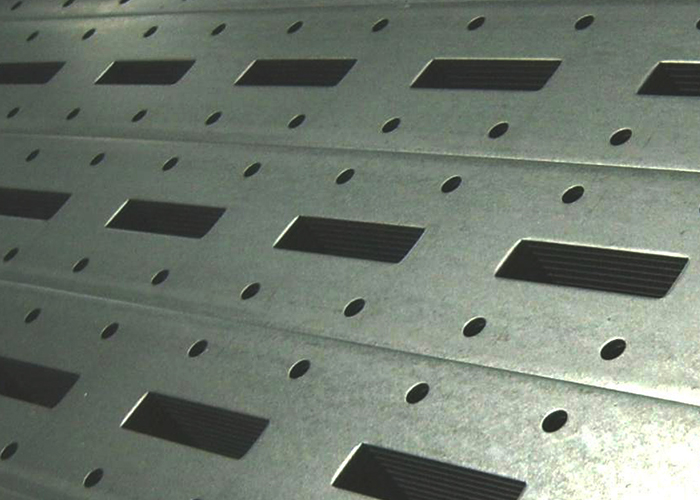
Punched holes - MP Metals
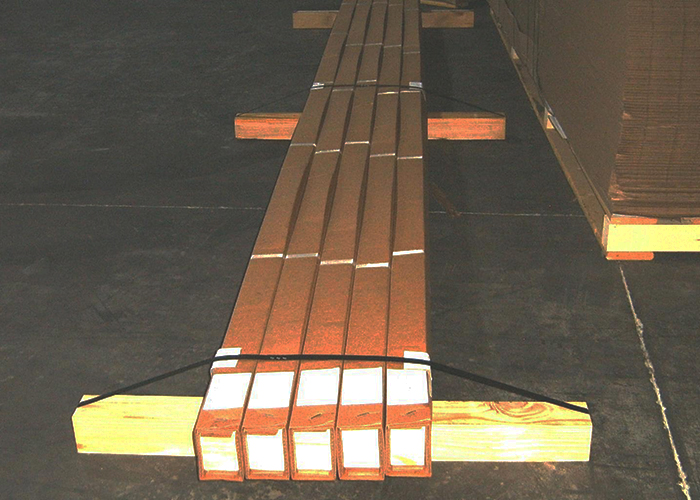
Ready-to-ship packaging - MP Metals
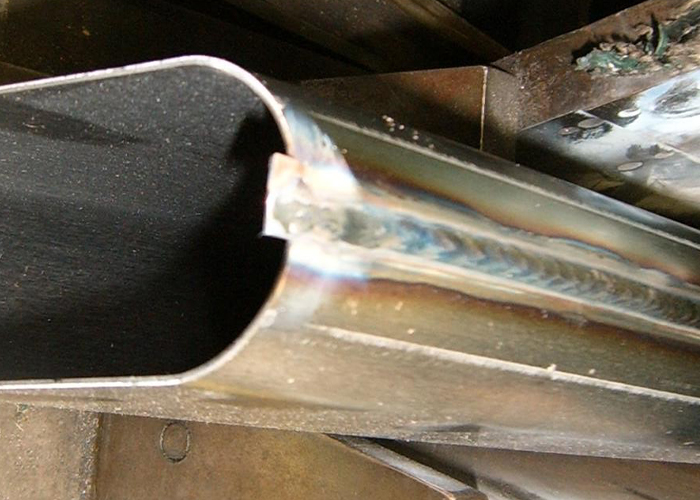
TIG welded tube - MP Metals
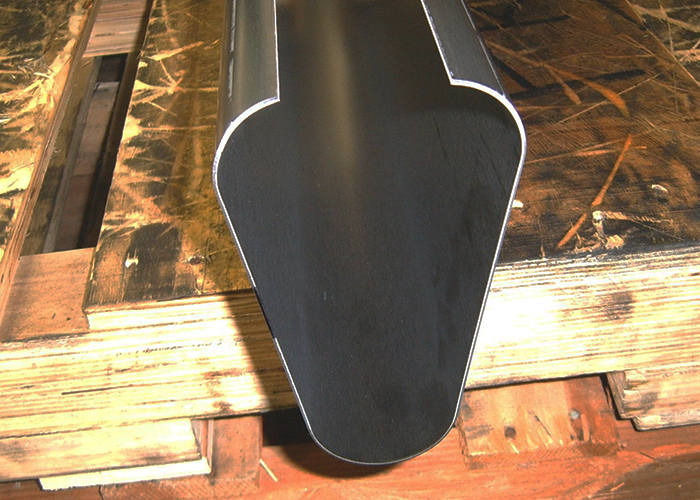
Press broken "V" - MP Metals
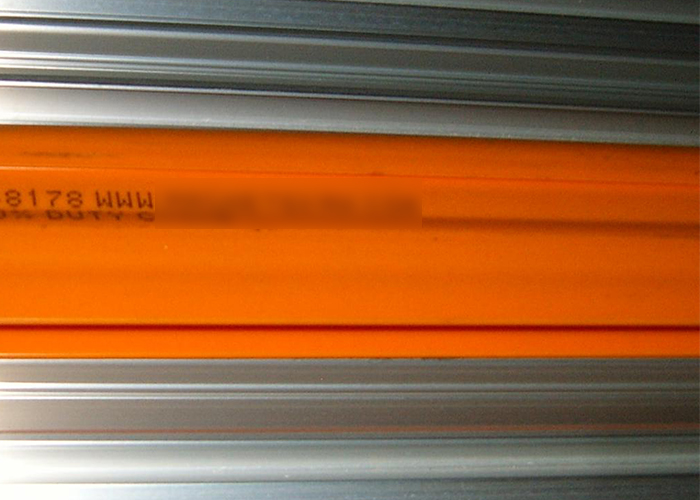
Printed plastic cladding - MP Metals
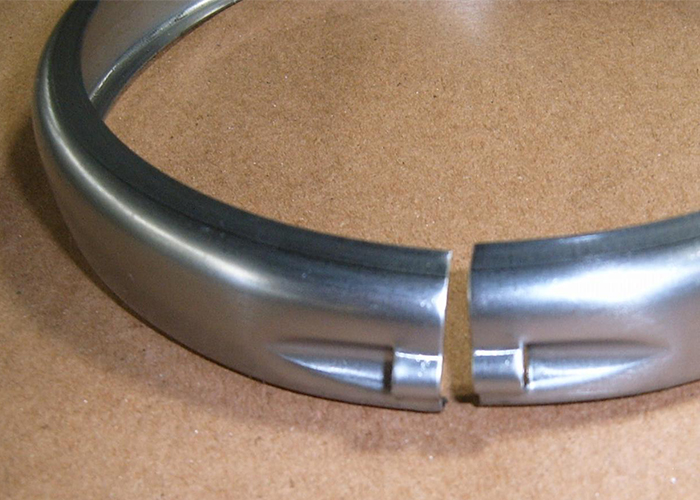
Lighting bezel with a bolt hole for tightening. - MP Metals
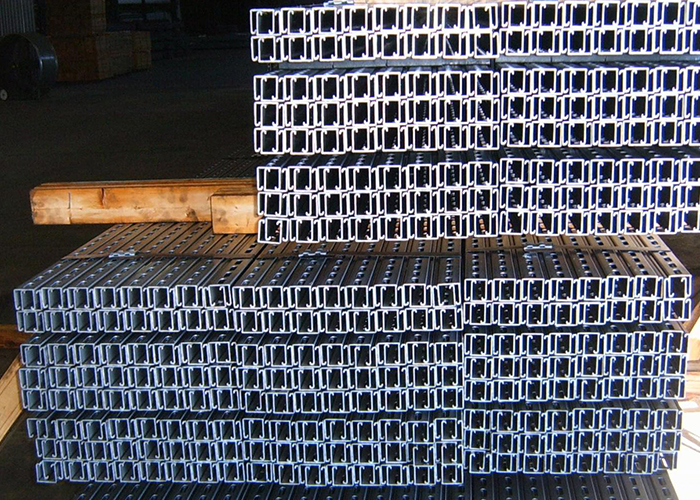
Custom channels strapped and ready for shipping. - MP Metals
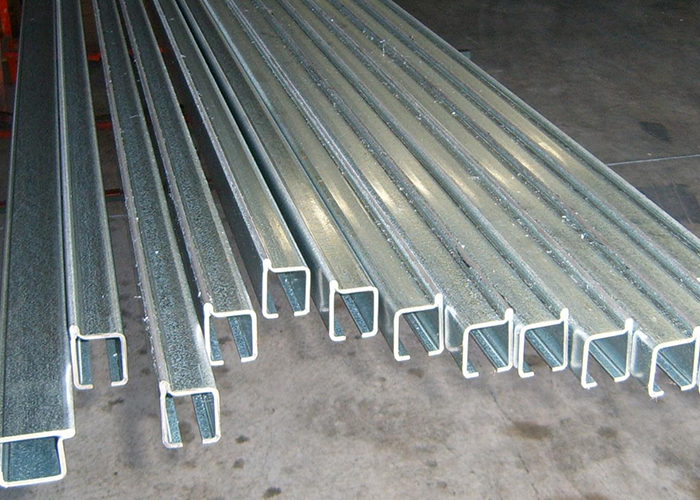
Custom channels ready for packaging. - MP Metals
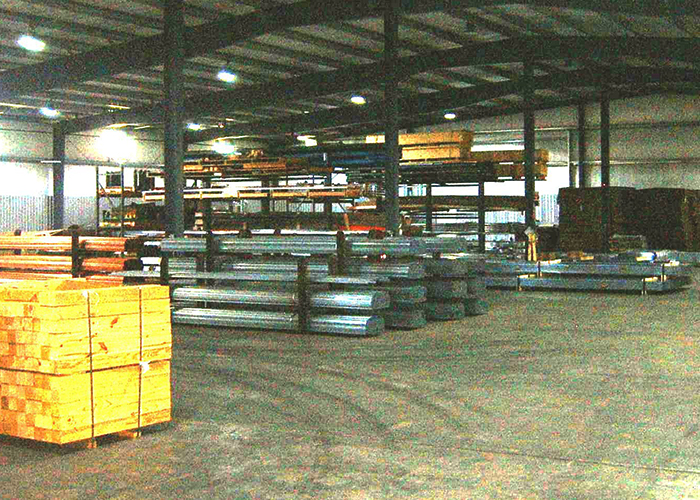
Shipping & Packaging - MP Metals
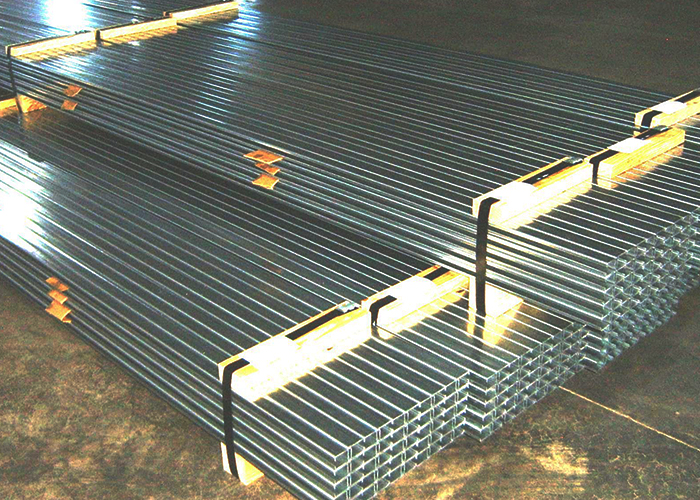
Finished bundles of custom channel - MP Metals
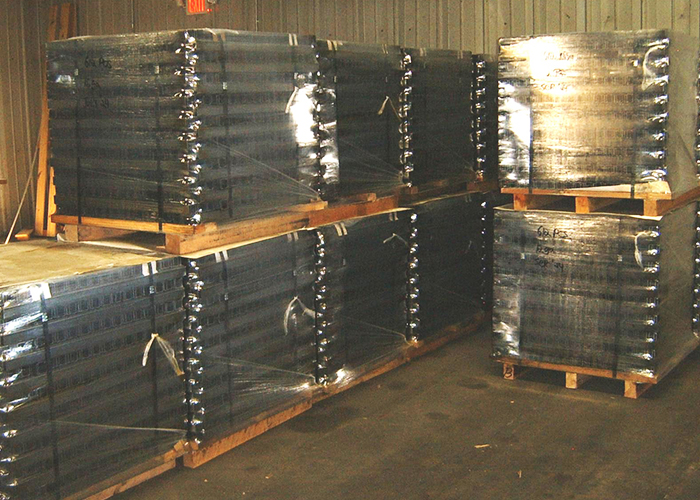
Finished goods pack - MP Metals
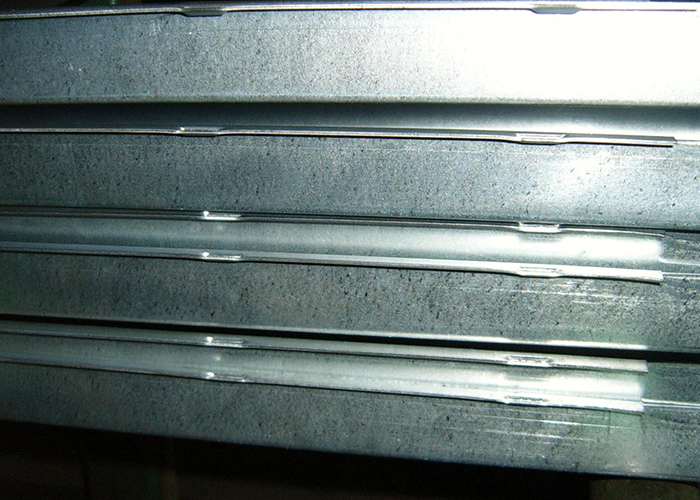
Lance punches - MP Metals
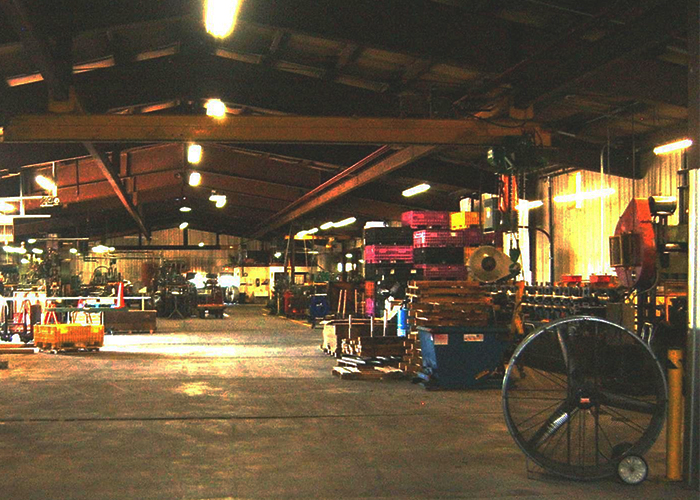
Manufacturing space, Ixonia, Wisconsin - MP Metals
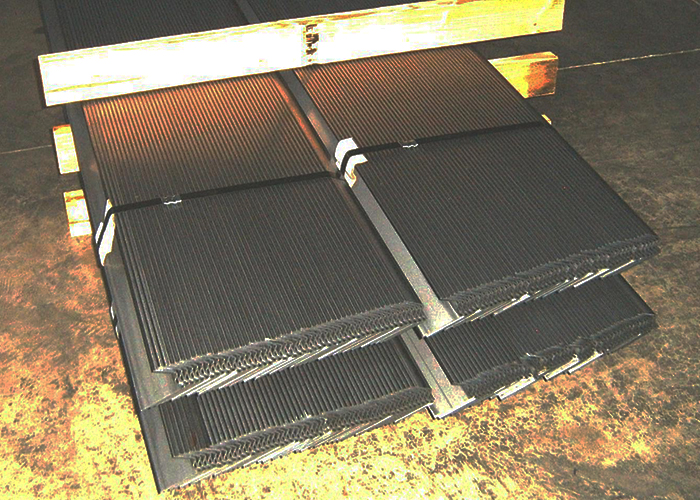
Packaged bundles - MP Metals
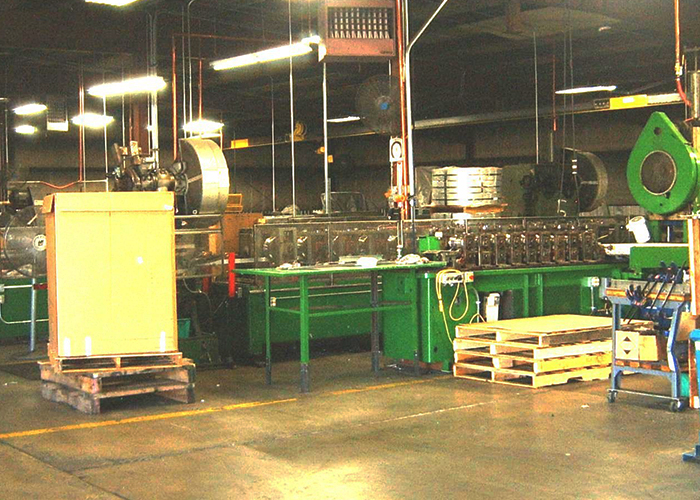
Production space, Ixonia, Wisconsin - MP Metals
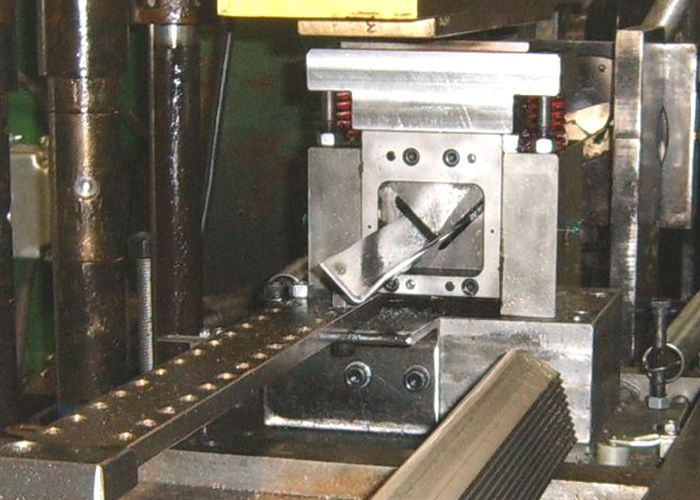
Roll formed angle - MP Metals
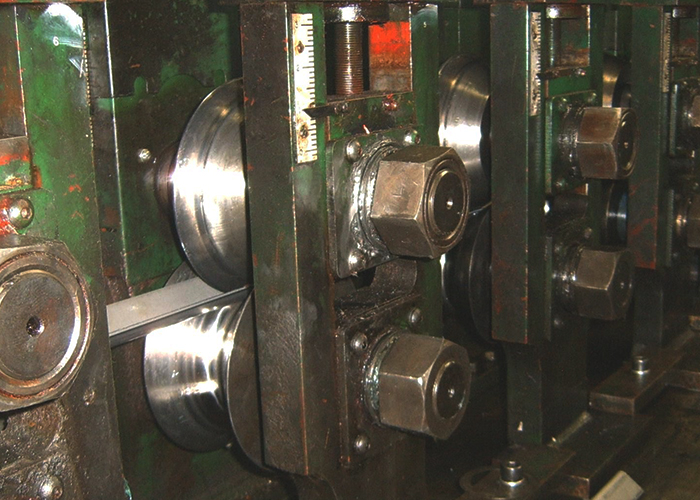
Roll forming machine - MP Metals
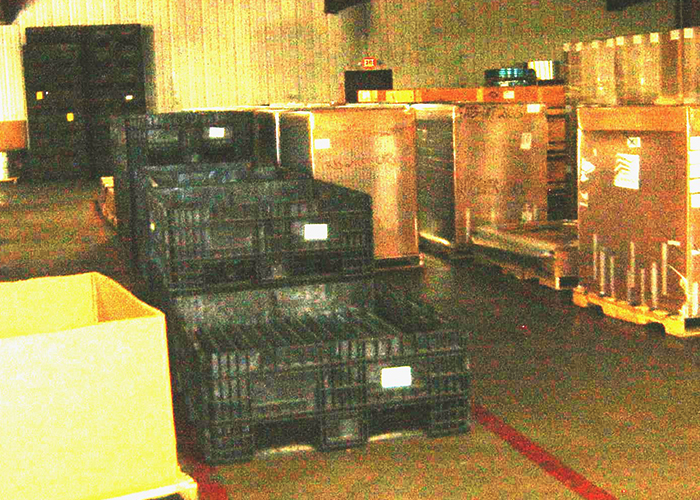
Staged shipments - MP Metals
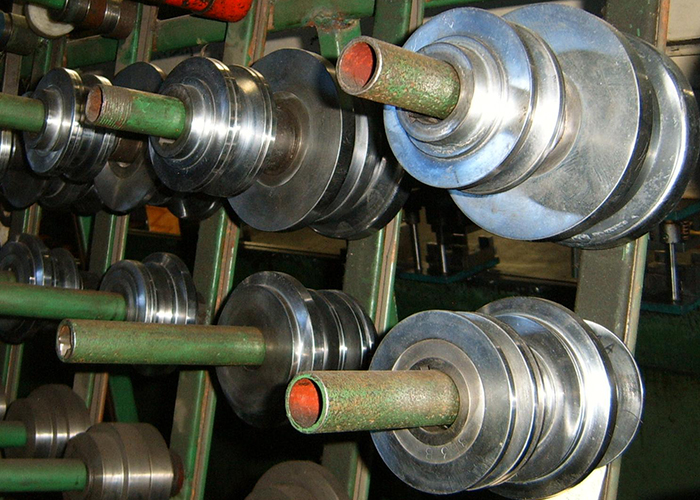
Roll tool rack - MP Metals
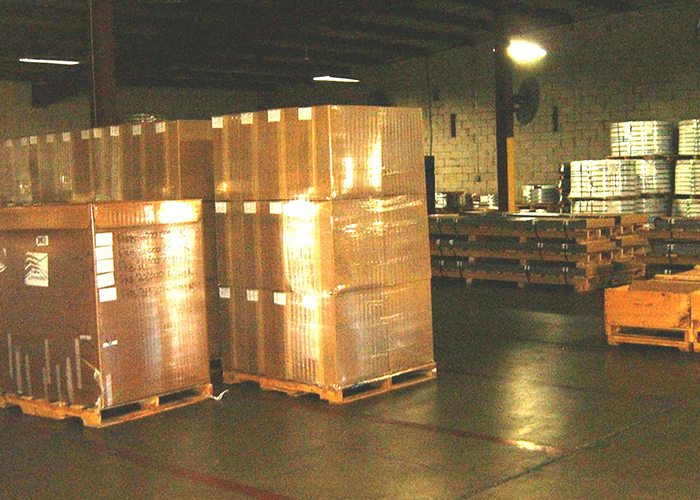
Shipping space, Ixonia, Wisconsin - MP Metals
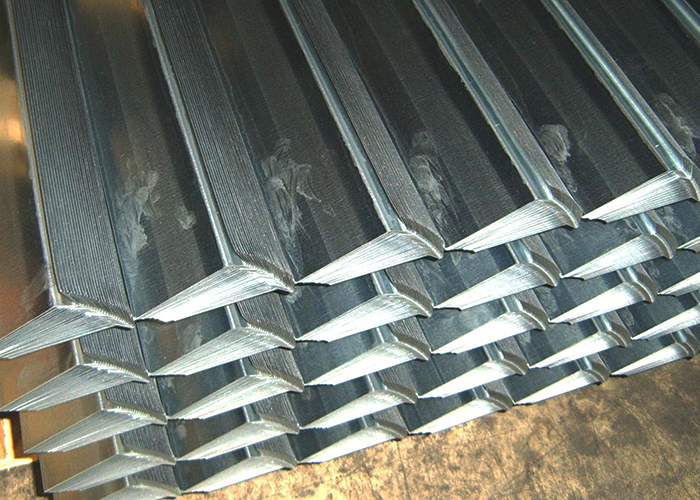
Stacked angles ready for packaging - MP Metals
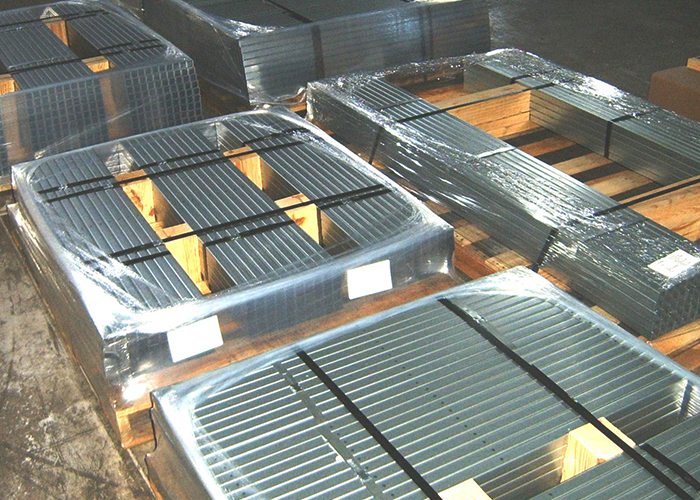
Staged shipments - MP Metals
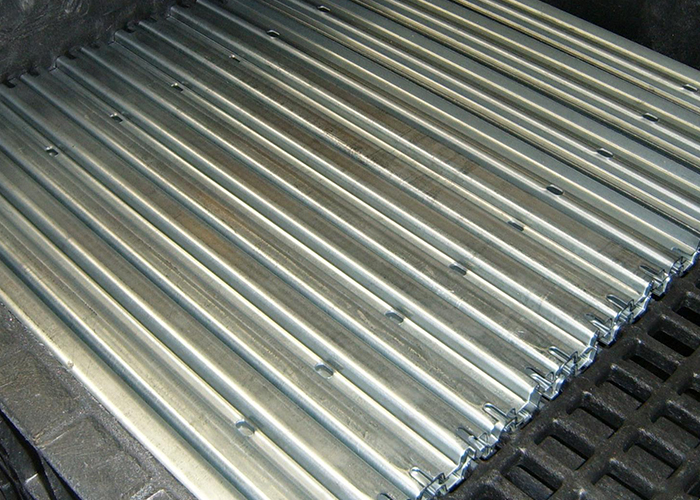
Tote packaging - MP Metals
Roll formed metal parts are usually cheaper to manufacture than cast or machined parts.
Contact MP Metals today and let us answer your questions about roll forming and maybe we can save your company some money, too.