

Angles
Angles provide two directional support, in hidden or exposed applications. Slots, notches and other holes are often included. Cold roll formed angles have many advantages over hot mill formed angle iron. Lower quantities can be cost effective and pre- and post-fabrications are cheaply done and with better results. Overall, tolerances are closer to true with less deformity in gage. Angles are ubiquitous in hundreds of industries, anywhere cheap but effective support, strengthening, stiffening, edging, bracing and framing is required, especially in construction.
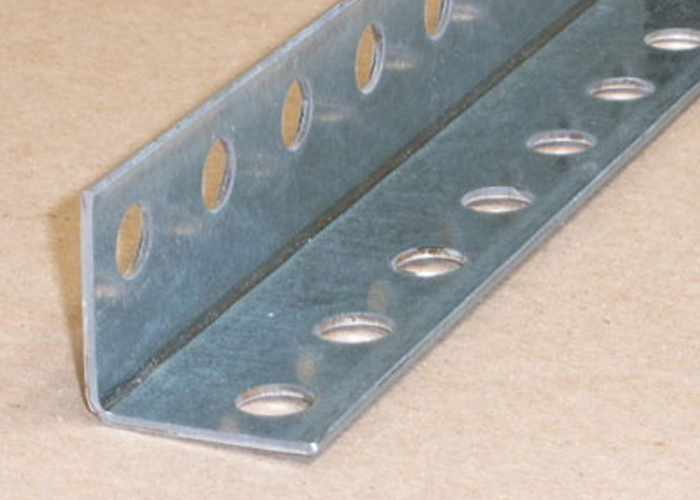
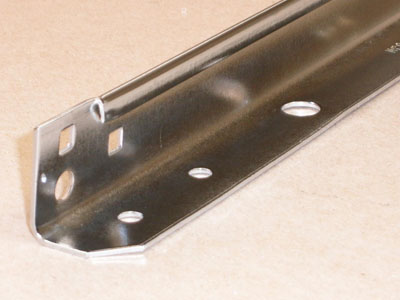
14 Gauge Roll-formed Galvanized Track
1.4" x 1.9", 14 gauge roll formed galvanized track. An angle is defined as an L-shaped profile when lying on one of its two sides. Angles are typically used as structural elements or for repairs. It is one of the most commonly used shapes. They are formed by bending a single angle in a piece of steel. The most common angle steel is "L" shaped at a 90 degree angle. The legs of the "L" can be equal or unequal in length. Steel angles are used for various purposes in a number of industries. Holes, notches and slots can often be included to avoid secondary operations. As a coil-based process, economical production quantities begin around 5,000 lineal feet. Custom lengths are available to meet OEM requirements.
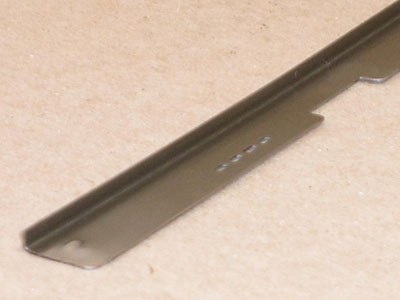
28 Gauge Roll-formed Stainless Stiffener
0.1" x 0.6", 28 gauge roll formed stainless stiffener. An angle is defined as an L-shaped profile when lying on one of its two sides. Angles are typically used as structural elements or for repairs. It is one of the most commonly used shapes. They are formed by bending a single angle in a piece of steel. The most common angle steel is "L" shaped at a 90 degree angle. The legs of the "L" can be equal or unequal in length. Steel angles are used for various purposes in a number of industries. Holes, notches and slots can often be included to avoid secondary operations. As a coil-based process, economical production quantities begin around 5,000 lineal feet. Custom lengths are available to meet OEM requirements.
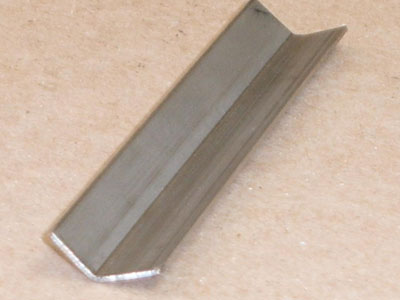
22 Gauge Roll-formed Stainless Angle
0.3" x 0.7", 22 gauge roll formed stainless angle. An angle is defined as an L-shaped profile when lying on one of its two sides. Angles are typically used as structural elements or for repairs. It is one of the most commonly used shapes. They are formed by bending a single angle in a piece of steel. The most common angle steel is "L" shaped at a 90 degree angle, however other angles are possible. The legs of the "L" can be equal or unequal in length. Steel angles are used for various purposes in a number of industries. As a coil-based process, economical production quantities begin around 5,000 lineal feet. Custom lengths are available to meet OEM requirements.
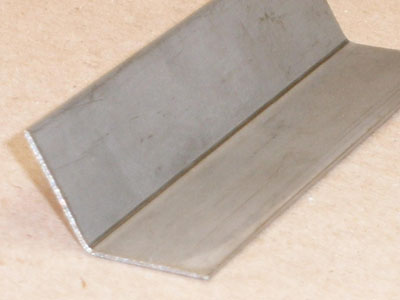
20 Gauge Roll-formed Stainless Angle
0.8" x 1.5", 20 gauge roll formed stainless angle. An angle is defined as an L-shaped profile when lying on one of its two sides. Angles are typically used as structural elements or for repairs. It is one of the most commonly used shapes. They are formed by bending a single angle in a piece of steel. The most common angle steel is "L" shaped at a 90 degree angle, however other angles are possible. The legs of the "L" can be equal or unequal in length. Steel angles are used for various purposes in a number of industries. As a coil-based process, economical production quantities begin around 5,000 lineal feet. Custom lengths are available to meet OEM requirements.
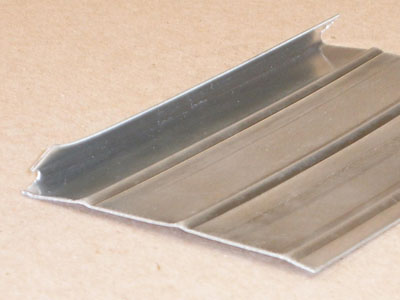
Roll-formed Aluminum Angle
0.4" x 3", roll formed aluminum angle. This angle shows stiffening ribs to add support to the large flat leg. An angle is defined as an L-shaped profile when lying on one of its two sides. Angles are typically used as structural elements or for repairs. It is one of the most commonly used shapes. They are formed by bending a single angle in a piece of metal. The most common angle steel is "L" shaped at a 90 degree angle, however other angles are possible. The legs of the "L" can be equal or unequal in length. Aluminum angles are used for various purposes in a number of industries such as starter strip for siding. As a coil-based process, economical production quantities begin around 5,000 lineal feet. Custom lengths are available to meet OEM requirements.
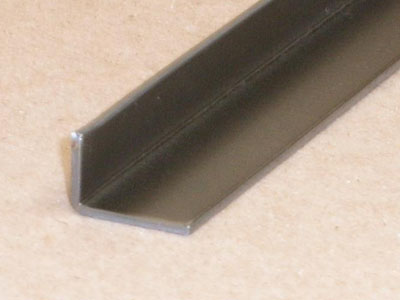
16 Gauge Roll-formed Stiffener Angle
0.5" x 0.8", 16 gauge roll formed stiffener angle. An angle is defined as an L-shaped profile when lying on one of its two sides. Angles are typically used as structural elements or for repairs. It is one of the most commonly used shapes. They are formed by bending a single angle in a piece of steel. The most common angle steel is "L" shaped at a 90 degree angle. The legs of the "L" can be equal or unequal in length. Steel angles are used for various purposes in a number of industries. As a coil-based process, economical production quantities begin around 5,000 lineal feet. Custom lengths are available to meet OEM requirements.
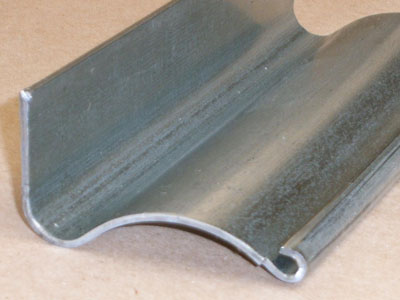
14 Gauge Roll-formed Latch Plate Angle Channel
1.5" x 3", 14 gauge roll formed latch plate angle channel. This angle shows an arc that mates to component parts of an awning assembly. An angle is defined as an L-shaped profile when lying on one of its two sides. Angles are typically used as structural elements or for repairs. It is one of the most commonly used shapes. They are formed by bending a single angle in a piece of steel. The most common angle steel is "L" shaped at a 90 degree angle. The legs of the "L" can be equal or unequal in length. Steel angles are used for various purposes in a number of industries. As a coil-based process, economical production quantities begin around 5,000 lineal feet. Custom lengths are available to meet OEM requirements.
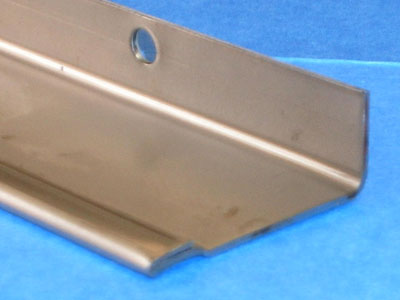
16 Gauge Roll-formed Angled Apron
0.7" x 1.8", 16 gauge roll formed angled apron. An angle is defined as an L-shaped profile when lying on one of its two sides. Angles are typically used as structural elements or for repairs. It is one of the most commonly used shapes. They are formed by bending a single angle in a piece of steel. The most common angle steel is "L" shaped at a 90 degree angle. The legs of the "L" can be equal or unequal in length. Steel angles are used for various purposes in a number of industries. Holes, notches and slots can often be included to avoid secondary operations. As a coil-based process, economical production quantities begin around 5,000 lineal feet. Custom lengths are available to meet OEM requirements.
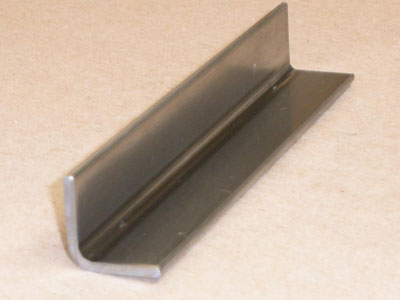
11 Gauge Roll-formed Stainless Angle
1" x 1", 11 gauge roll formed stainless angle. An angle is defined as an L-shaped profile when lying on one of its two sides. Angles are typically used as structural elements or for repairs. It is one of the most commonly used shapes. They are formed by bending a single angle in a piece of steel. The most common angle steel is "L" shaped at a 90 degree angle, however other angles are possible. The legs of the "L" can be equal or unequal in length. Steel angles are used for various purposes in a number of industries. As a coil-based process, economical production quantities begin around 5,000 lineal feet. Custom lengths are available to meet OEM requirements.
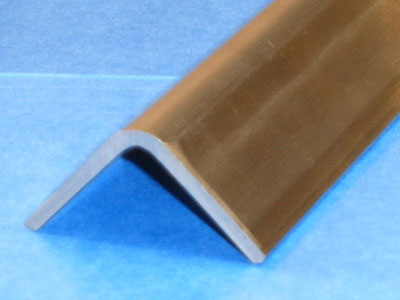
11 Gauge Roll-formed Stainless Angle
1.3" x 1.3", 11 gauge roll formed stainless angle. An angle is defined as an L-shaped profile when lying on one of its two sides. Angles are typically used as structural elements or for repairs. It is one of the most commonly used shapes. They are formed by bending a single angle in a piece of steel. The most common angle steel is "L" shaped at a 90 degree angle, however other angles are possible. The legs of the "L" can be equal or unequal in length. Steel angles are used for various purposes in a number of industries. As a coil-based process, economical production quantities begin around 5,000 lineal feet. Custom lengths are available to meet OEM requirements.
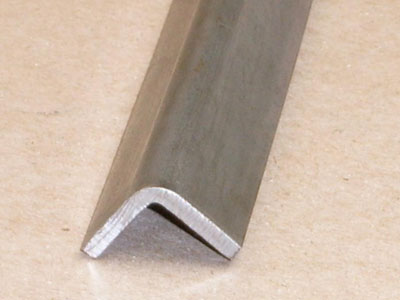
10 Gauge Roll-formed Angle
0.5" x 1", 10 gauge roll formed angle. An angle is defined as an L-shaped profile when lying on one of its two sides. Angles are typically used as structural elements or for repairs. It is one of the most commonly used shapes. They are formed by bending a single angle in a piece of steel. The most common angle steel is "L" shaped at a 90 degree angle, however other angles are possible. The legs of the "L" can be equal or unequal in length. Steel angles are used for various purposes in a number of industries. As a coil-based process, economical production quantities begin around 5,000 lineal feet. Custom lengths are available to meet OEM requirements.
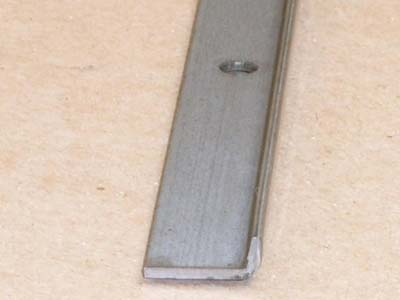
16 Gauge Roll-formed Angle with Holes
0.2" x 0.6", 16 gauge roll formed angle with holes. An angle is defined as an L-shaped profile when lying on one of its two sides. Angles are typically used as structural elements or for repairs. It is one of the most commonly used shapes. They are formed by bending a single angle in a piece of steel. The most common angle steel is "L" shaped at a 90 degree angle. The legs of the "L" can be equal or unequal in length. Steel angles are used for various purposes in a number of industries. Holes, notches and slots can often be included to avoid secondary operations. As a coil-based process, economical production quantities begin around 5,000 lineal feet. Custom lengths are available to meet OEM requirements.
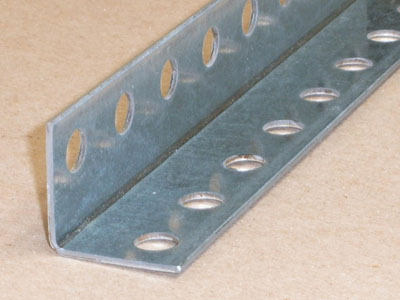
14 Gauge Roll-formed Angle with Holes
1.3" x 1.3", 14 gauge roll formed angle with holes. An angle is defined as an L-shaped profile when lying on one of its two sides. Angles are typically used as structural elements or for repairs. It is one of the most commonly used shapes. They are formed by bending a single angle in a piece of steel. The most common angle steel is "L" shaped at a 90 degree angle. The legs of the "L" can be equal or unequal in length. Steel angles are used for various purposes in a number of industries. Holes, notches and slots can often be included to avoid secondary operations. As a coil-based process, economical production quantities begin around 5,000 lineal feet. Custom lengths are available to meet OEM requirements.
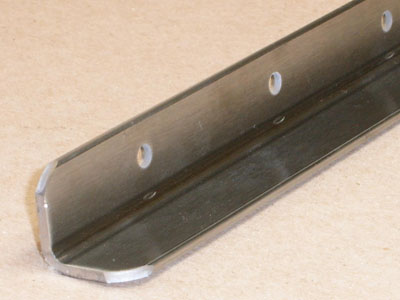
Stainless Roll-formed Angle with Holes
1" x 1", stainless roll formed angle with holes. An angle is defined as an L-shaped profile when lying on one of its two sides. Angles are typically used as structural elements or for repairs. It is one of the most commonly used shapes. They are formed by bending a single angle in a piece of steel. The most common angle steel is "L" shaped at a 90 degree angle. The legs of the "L" can be equal or unequal in length. Steel angles are used for various purposes in a number of industries. Holes, notches and slots can often be included to avoid secondary operations. As a coil-based process, economical production quantities begin around 5,000 lineal feet. Custom lengths are available to meet OEM requirements.
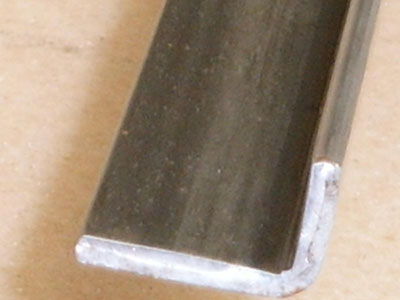
11 Gauge Roll-formed Hot-rolled Angle
0.7" x 0.7", 11 gauge roll formed hot rolled angle. An angle is defined as an L-shaped profile when lying on one of its two sides. Angles are typically used as structural elements or for repairs. It is one of the most commonly used shapes. They are formed by bending a single angle in a piece of steel. The most common angle steel is "L" shaped at a 90 degree angle. The legs of the "L" can be equal or unequal in length. Steel angles are used for various purposes in a number of industries. As a coil-based process, economical production quantities begin around 5,000 lineal feet. Custom lengths are available to meet OEM requirements.
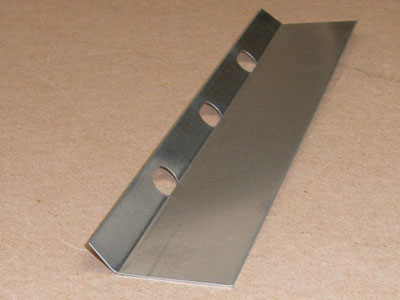
25 Gauge Galvanized Roll-formed One Leg Batten
0.5" x 1.5", 25 gauge galvanized roll formed one leg batten. An angle is defined as an L-shaped profile when lying on one of its two sides. Angles are typically used as structural elements or for repairs. It is one of the most commonly used shapes. They are formed by bending a single angle in a piece of steel. The most common angle steel is "L" shaped at a 90 degree angle. The legs of the "L" can be equal or unequal in length. Steel angles are used for various purposes in a number of industries. Holes, notches and slots can often be included to avoid secondary operations. As a coil-based process, economical production quantities begin around 5,000 lineal feet. Custom lengths are available to meet OEM requirements.
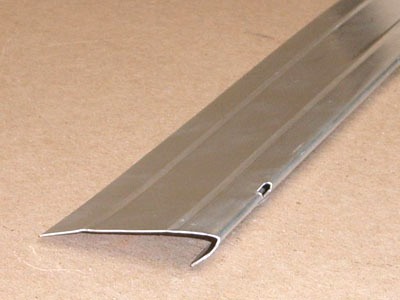
Roll-formed Aluminum Starter Strip
0.5" x 2.5", roll formed aluminum starter strip. This angle shows stiffening ribs to add support to the large flat leg. An angle is defined as an L-shaped profile when lying on one of its two sides. Angles are typically used as structural elements or for repairs. It is one of the most commonly used shapes. They are formed by bending a single angle in a piece of metal. The most common angle steel is "L" shaped at a 90 degree angle, however other angles are possible. The legs of the "L" can be equal or unequal in length. Aluminum angles are used for various purposes in a number of industries such as starter strip for siding. As a coil-based process, economical production quantities begin around 5,000 lineal feet. Custom lengths are available to meet OEM requirements.
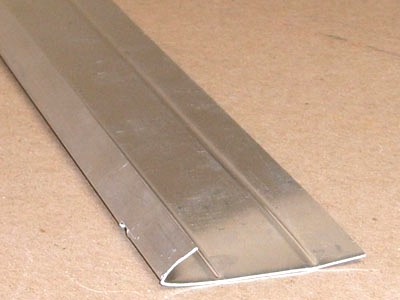
Starter Strip
Unknown size, starter strip. This angle shows stiffening ribs to add support to the large flat leg. An angle is defined as an L-shaped profile when lying on one of its two sides. Angles are typically used as structural elements or for repairs. It is one of the most commonly used shapes. They are formed by bending a single angle in a piece of metal. The most common angle steel is "L" shaped at a 90 degree angle, however other angles are possible. The legs of the "L" can be equal or unequal in length. Aluminum angles are used for various purposes in a number of industries such as starter strip for siding. As a coil-based process, economical production quantities begin around 5,000 lineal feet. Custom lengths are available to meet OEM requirements.
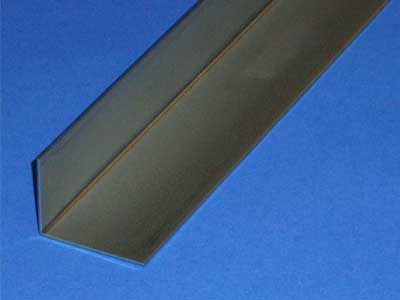
16 Gauge Galvanized Angle
1.5" x 2", 16 gauge galvanized angle. An angle is defined as an L-shaped profile when lying on one of its two sides. Angles are typically used as structural elements or for repairs. It is one of the most commonly used shapes. They are formed by bending a single angle in a piece of steel. The most common angle steel is "L" shaped at a 90 degree angle. The legs of the "L" can be equal or unequal in length. Steel angles are used for various purposes in a number of industries. Holes, notches and slots can often be included to avoid secondary operations. As a coil-based process, economical production quantities begin around 5,000 lineal feet. Custom lengths are available to meet OEM requirements.
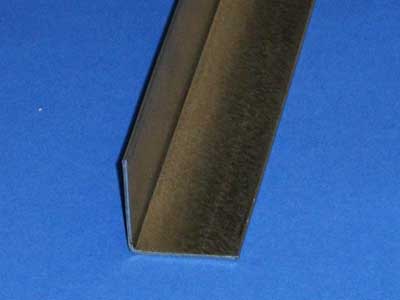
16 Gauge Galvanized Angle
1.5" x 1.5", 16 gauge galvanized angle. An angle is defined as an L-shaped profile when lying on one of its two sides. Angles are typically used as structural elements or for repairs. It is one of the most commonly used shapes. They are formed by bending a single angle in a piece of steel. The most common angle steel is "L" shaped at a 90 degree angle. The legs of the "L" can be equal or unequal in length. Steel angles are used for various purposes in a number of industries. Holes, notches and slots can often be included to avoid secondary operations. As a coil-based process, economical production quantities begin around 5,000 lineal feet. Custom lengths are available to meet OEM requirements.
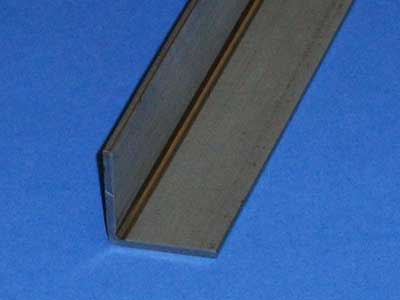
12 Gauge Galvanized Angle
1.25" x 1.25", 12 gauge galvanized angle. An angle is defined as an L-shaped profile when lying on one of its two sides. Angles are typically used as structural elements or for repairs. It is one of the most commonly used shapes. They are formed by bending a single angle in a piece of steel. The most common angle steel is "L" shaped at a 90 degree angle. The legs of the "L" can be equal or unequal in length. Steel angles are used for various purposes in a number of industries. Holes, notches and slots can often be included to avoid secondary operations. As a coil-based process, economical production quantities begin around 5,000 lineal feet. Custom lengths are available to meet OEM requirements.
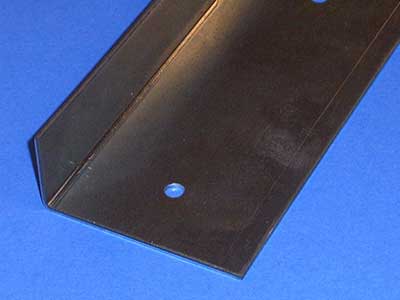
14 16 Gauge Galvanized Angle
1.25" x 3", 14-16 gauge galvanized angle. An angle is defined as an L-shaped profile when lying on one of its two sides. Angles are typically used as structural elements or for repairs. It is one of the most commonly used shapes. They are formed by bending a single angle in a piece of steel. The most common angle steel is "L" shaped at a 90 degree angle. The legs of the "L" can be equal or unequal in length. Steel angles are used for various purposes in a number of industries. Holes, notches and slots can often be included to avoid secondary operations. As a coil-based process, economical production quantities begin around 5,000 lineal feet. Custom lengths are available to meet OEM requirements.
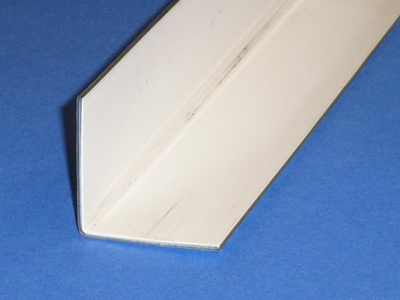
16 Gauge Pre-painted Galvanized Steel Angle
1-1/2" x 1-1/2", 16 gauge angle in pre-painted galvanized steel. This profile is a basic type of roll-formed steel. The 90 degree "l" shape is the most common angle. The legs of the "L" can be equal or unequal in length. A popular application is as a steel stiffener. Steel stiffeners are used for various applications in a variety of industries. Custom lengths are available for OEM production requirements.
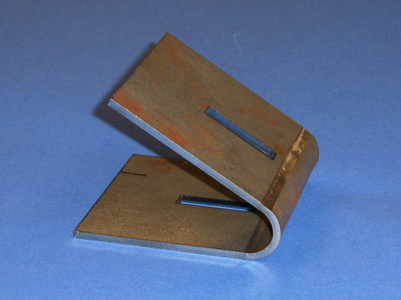
10 Gauge Hot-rolled Pickled Oiled Steel Angle
2.75" wide x 3.5” high, 10 gauge angle in hot rolled, pickled and oiled steel. Steel angles are a basic type of roll-formed steel. Typically, the angle is "L" shaped with the most common profiles formed at a 90-degree angle. Other angles are possible as this profile shows. The legs of the "L" can be equal or unequal in length. Steel angles are used for various applications in a variety of industries. Custom lengths are available for OEM production requirements.
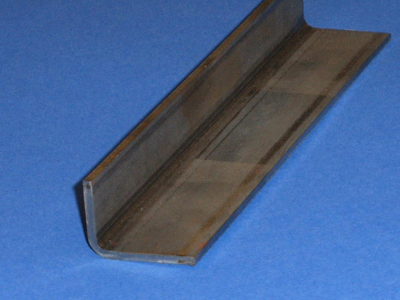
12 Gauge Hot-rolled Pickled Oiled Steel Angle
0.75" x 1", 12 gauge angle in hot rolled, pickled and oiled steel. Steel angles are a basic type of roll-formed steel. Typically the angle is "L" shaped with the most common profiles formed at a 90 degree angle. The legs of the "L" can be equal or unequal in length. Steel angles are used for various applications in a variety of industries. Custom lengths are available for OEM production requirements.
MP Metals specializes is roll-forming custom parts. Nothing is stock.
As a coil-based process, economical production quantities begin around 5,000 lineal feet. Custom lengths are available to meet OEM requirements.
Call us today, 920.261.9650
Satisfied Customers Say...
With 60 years of experience, MP Metals has proven itself as an extremely reliable source for high-quality, roll-formed metal products. See what our valued customers have to say about their experience with us.
“MP Metals is a key partner supplier for us. They go the extra mile to provide high quality parts and make sure we have them when we need them. They are always open to developing solutions to any challenge we throw their way.”
Jonathan W.
Sourcing Manager for a leading semi-trailer manufacturer“MP Metal Products is a true partner supplier. From concept to design and manufacturing, they have always gone the extra mile for us. The team is knowledgeable and operates with integrity. I highly recommend working with them.”
Pete C.
Returnable packaging manufacturer“Thanks to MP Metals, we have a reliable partner who consistently delivers top-notch materials. They also provided valuable insights that improved our overall design process. We absolutely recommend them those looking for high-quality roll forming solutions!”
Frank A.
Outdoor furniture manufacturerMP Metal Products means Quality.
ISO 9001:2015 Certified: MP Metal Products maintains an ISO compliant Quality Management System.