

Basic Roll Forming Suggestions
To help you receive the greatest value for your rollforming dollar, here are some suggestions that take advantage of the benefits of roll-forming.
The process of Roll Forming introduces some potential distortions to consider. Watch these video clips to gain a better understanding of Curve, Twist and Bow – the typical causes, corrective actions and common tolerances.
Basics of Roll forming video from LOTOSFORMING:
SYMMETRY
Design an open, symmetrical shape wherever possible. This allows an equal amount of forming to be done on each side of the vertical centerline, and equalizes the stresses imparted by the forming process as the strip progresses through the forming rolls and helps minimize edge cracking, and ensures consistent material flow.
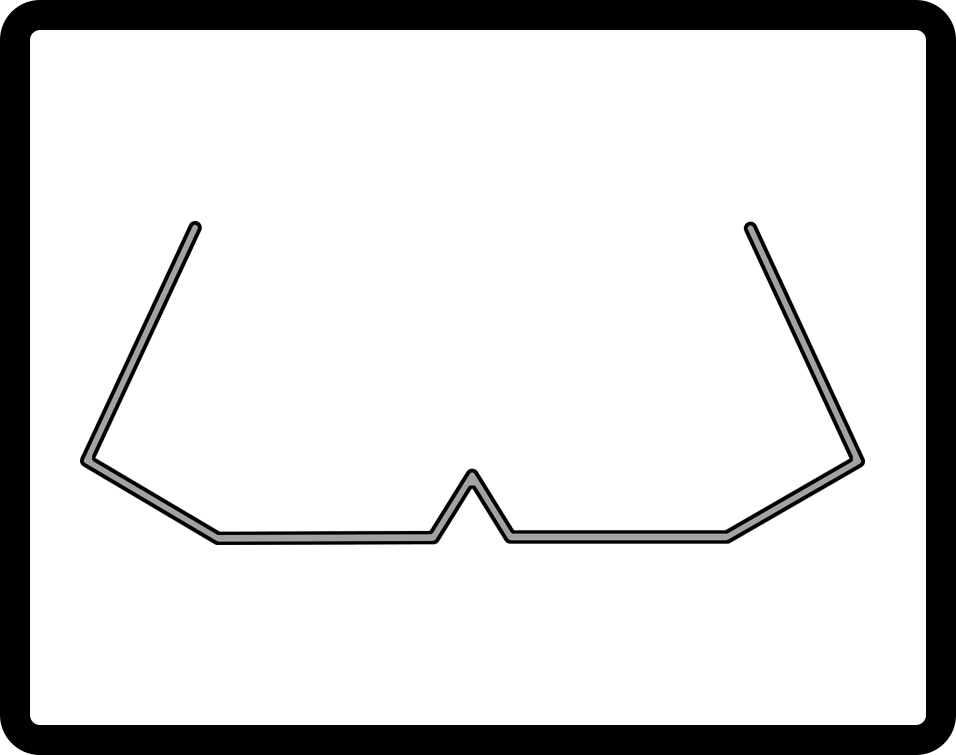
A symmetrical profile reduces distortion - MP Metals
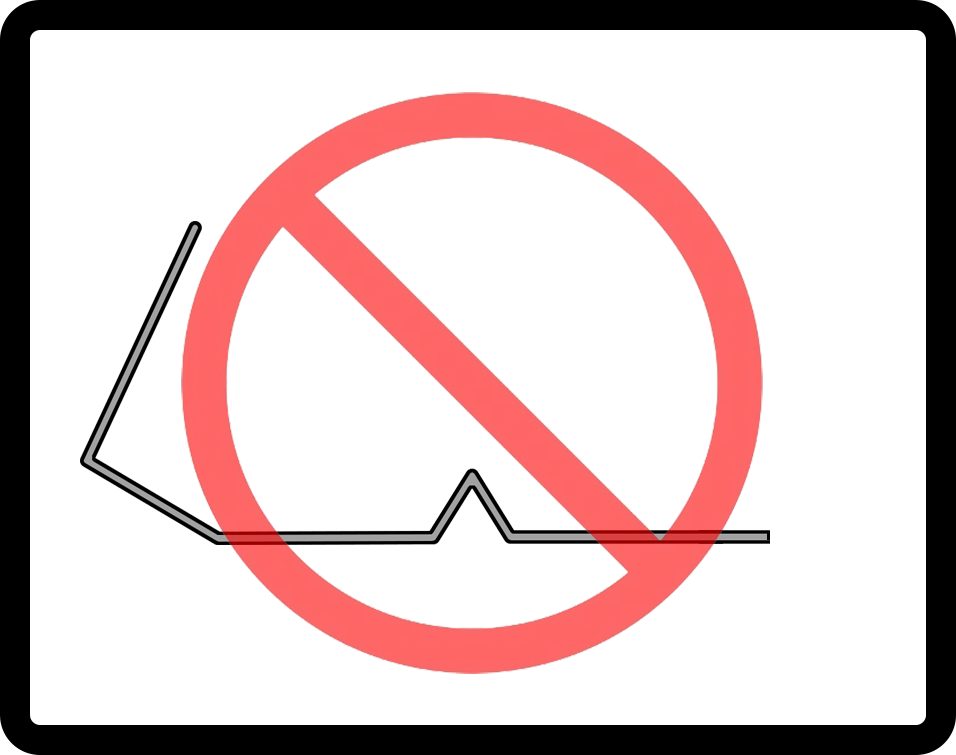
Avoid asymmetrical profiles whenever possible - MP Metals
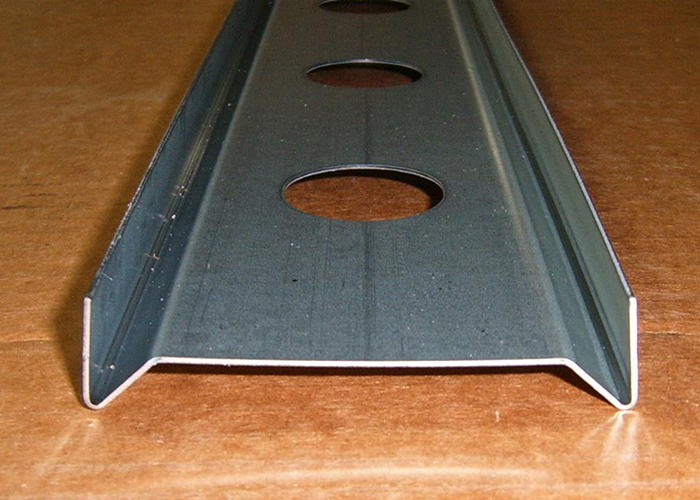
Custom symmetrical profile - MP Metals
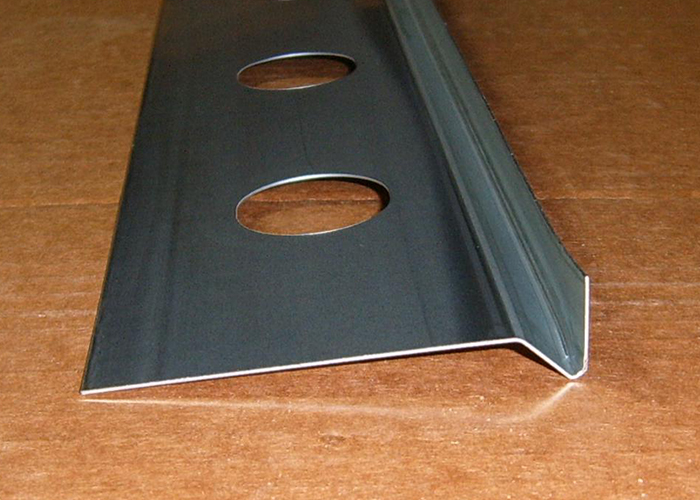
Custom non-symmetrical profile - MP Metals
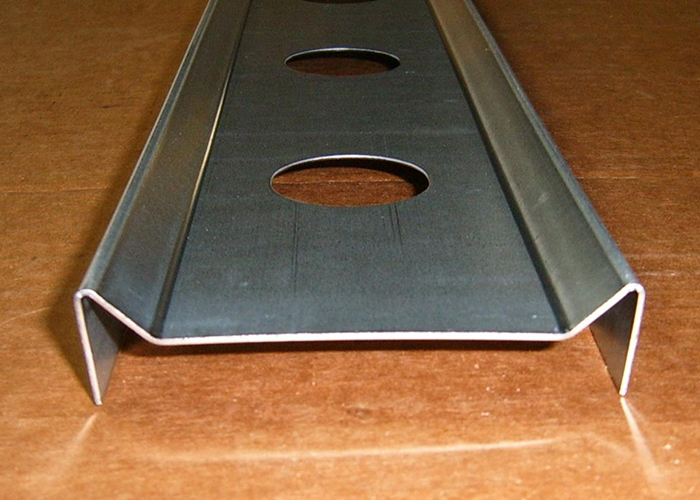
Custom symmetrical profile - MP Metals
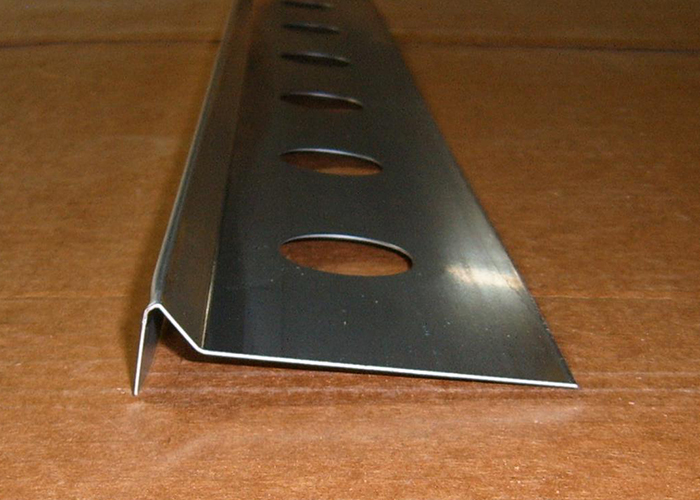
Custom non-symmetrical profile - MP Metals
DEPTH
M.P. Metal Products suggests that you avoid cross sections with extreme deformations. The strains produced by rollforming (moving metal) are greatest around the arc of the bend and at the edges of the strip.
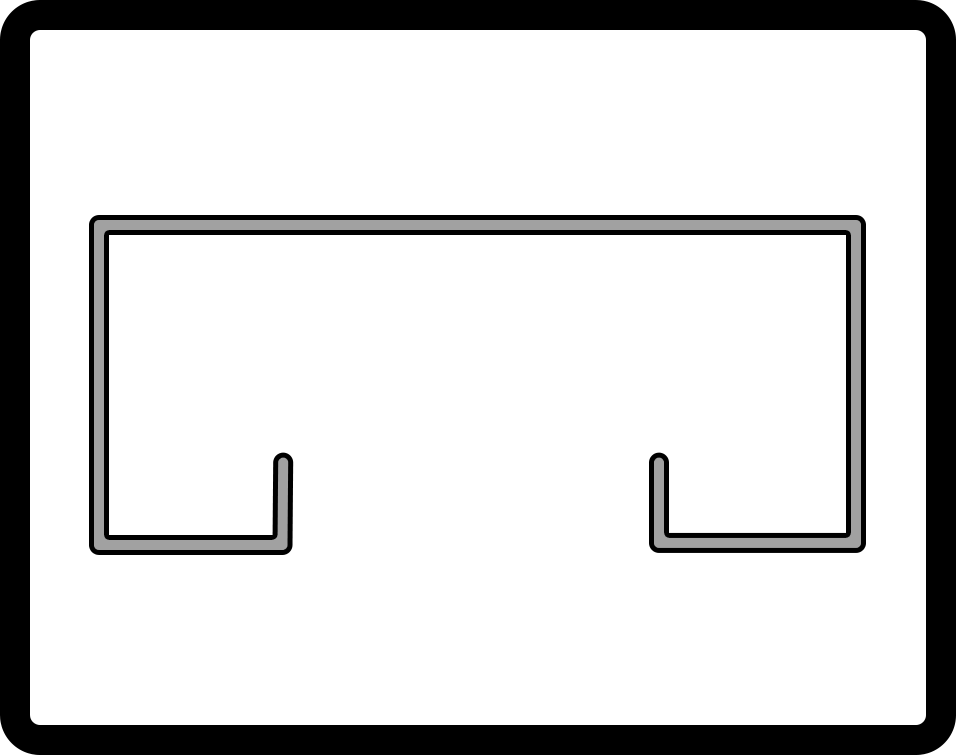
A symmetrical profile reduces distortion - MP Metals
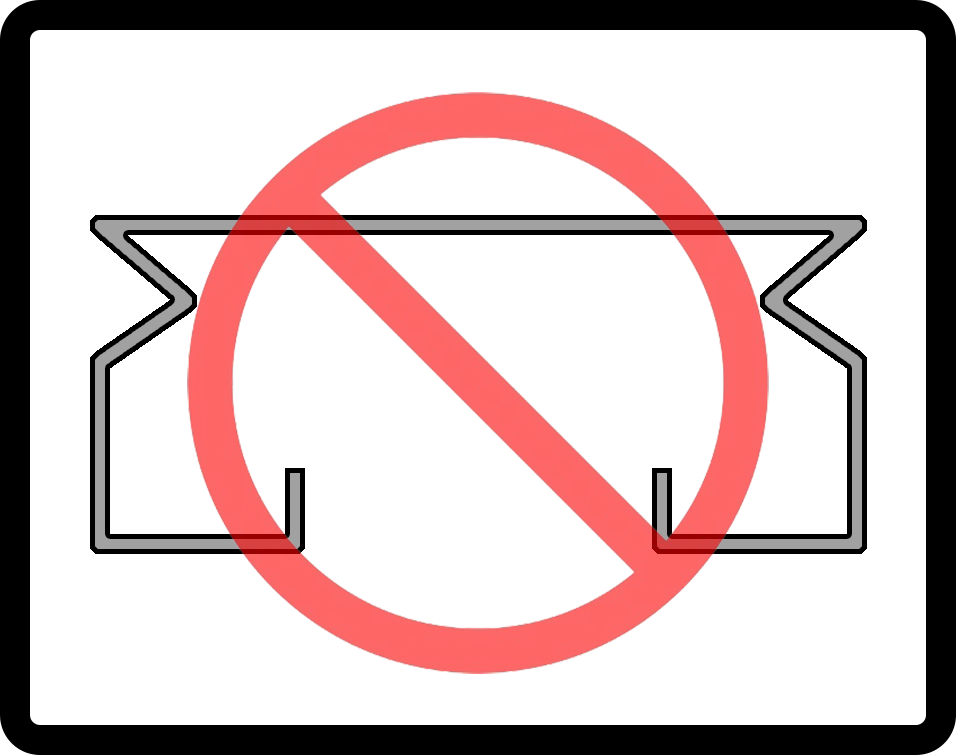
Avoid asymmetrical profiles whenever possible - MP Metals
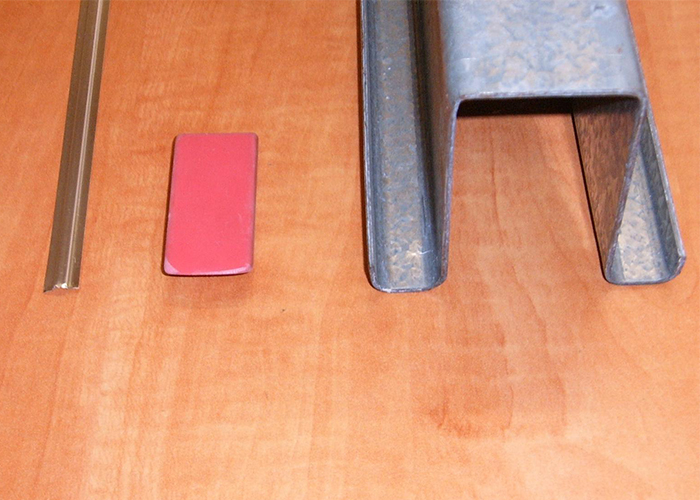
Depth examples - MP Metals
RADIUS
Try to avoid sharp bends. The ductility of the metal will determine the minimum bend radius possible. The rollformed radius should be at least equal to the metal thickness. Avoid zero-radius bends to prevent cracking, material thinning, and premature tool wear, especially in high-strength or coated metals.
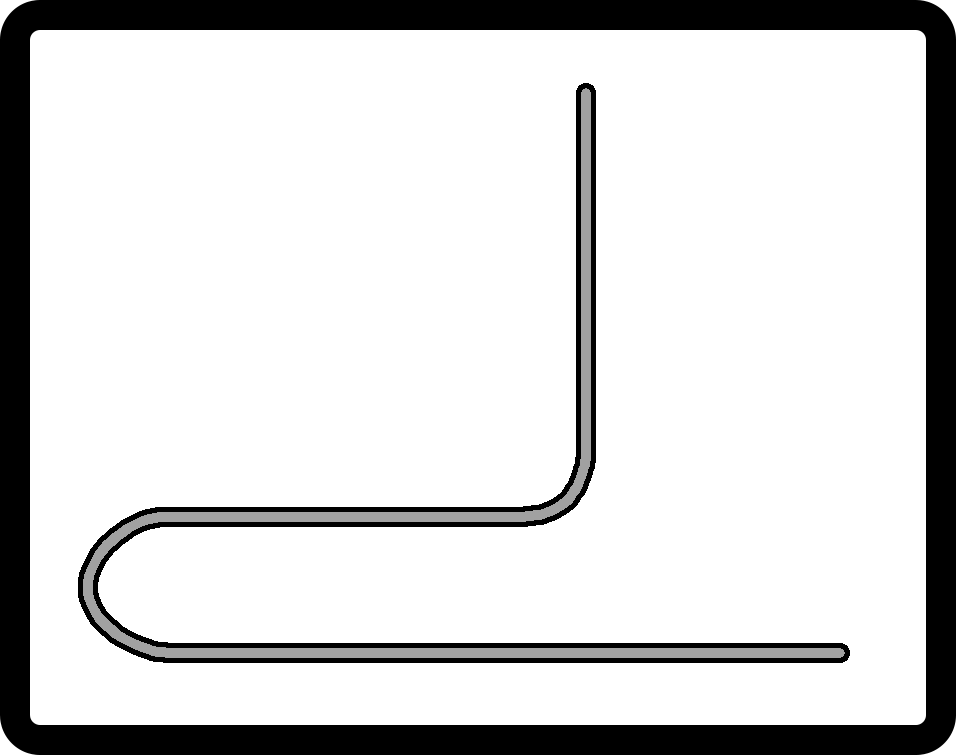
Sharp radii bending can cause cracking, breaking or weakening - MP Metals
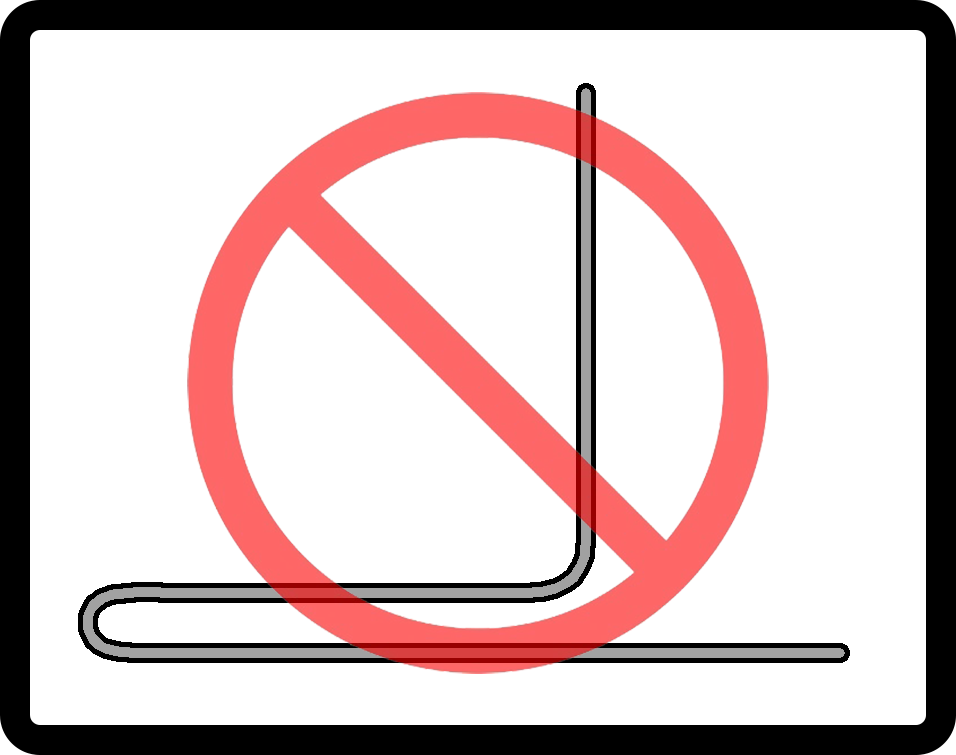
Sharp radii bending can cause cracking, breaking or weakening - MP Metals
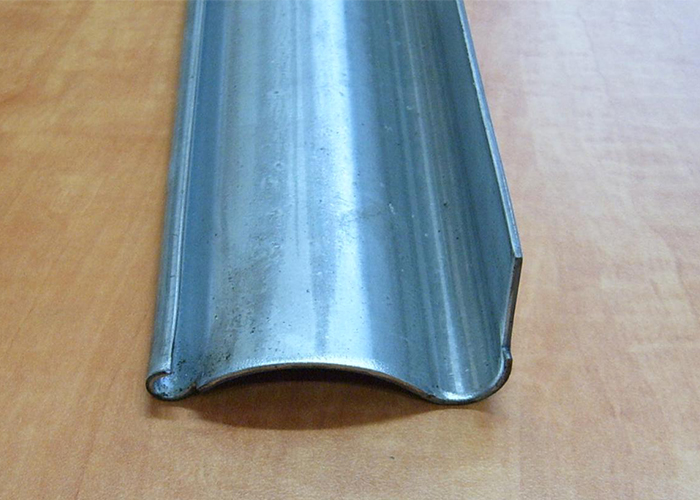
Big radius - MP Metals
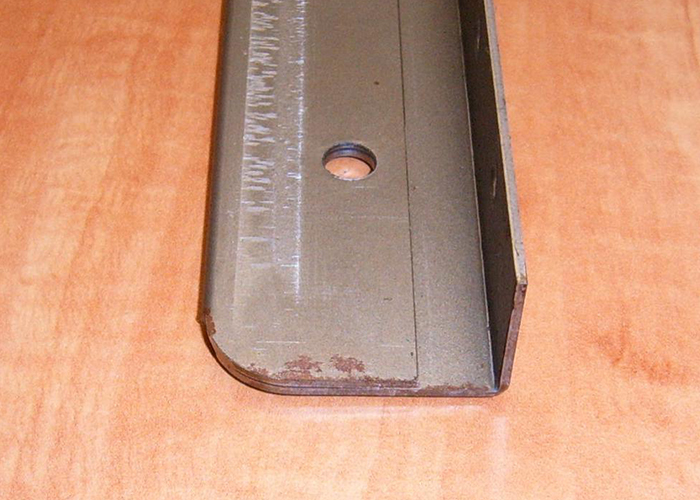
Tight radius - MP Metals
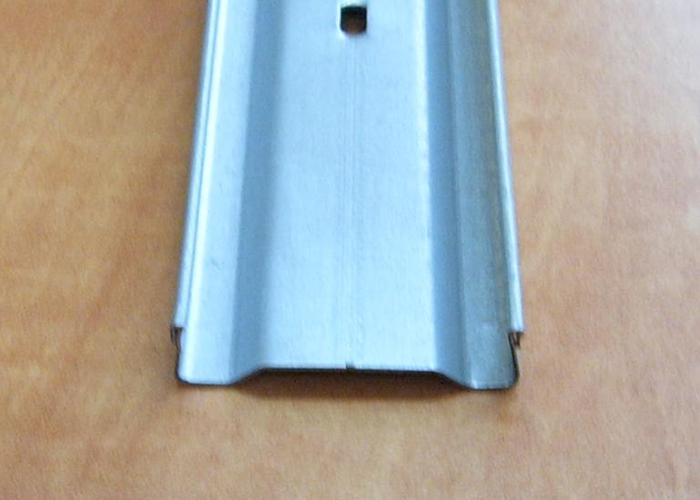
Minimum radius - MP Metals
LEG LENGTH
Extremely short legs are difficult to form. M.P. Metal Products recommends that the minimum practical leg length, including the bend, should be 3 times the metal thickness.
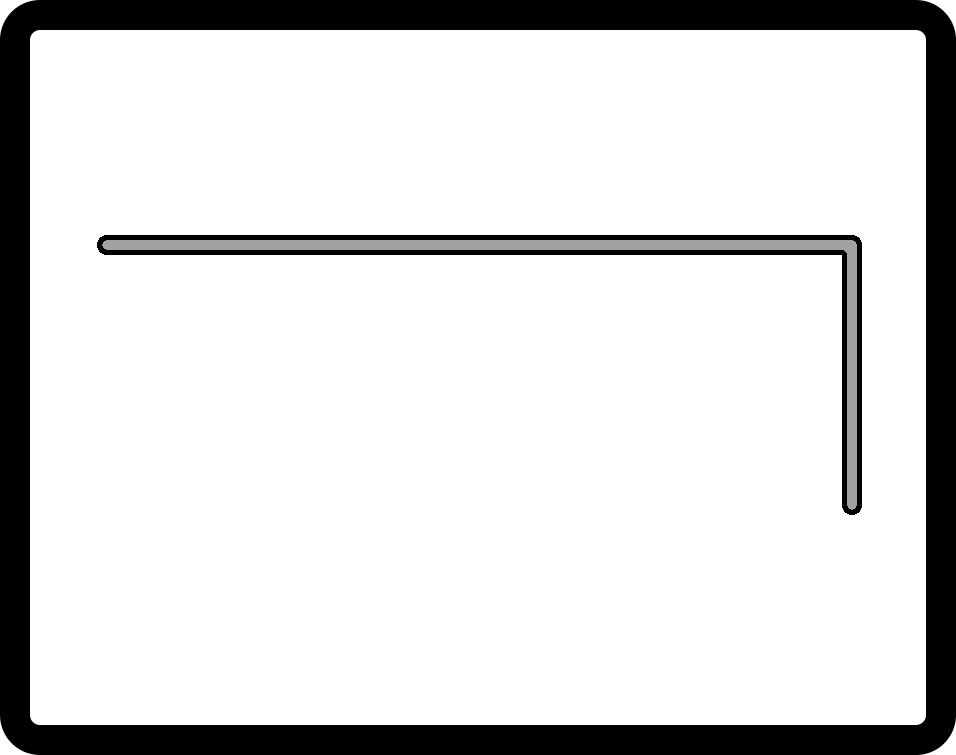
Good leg length
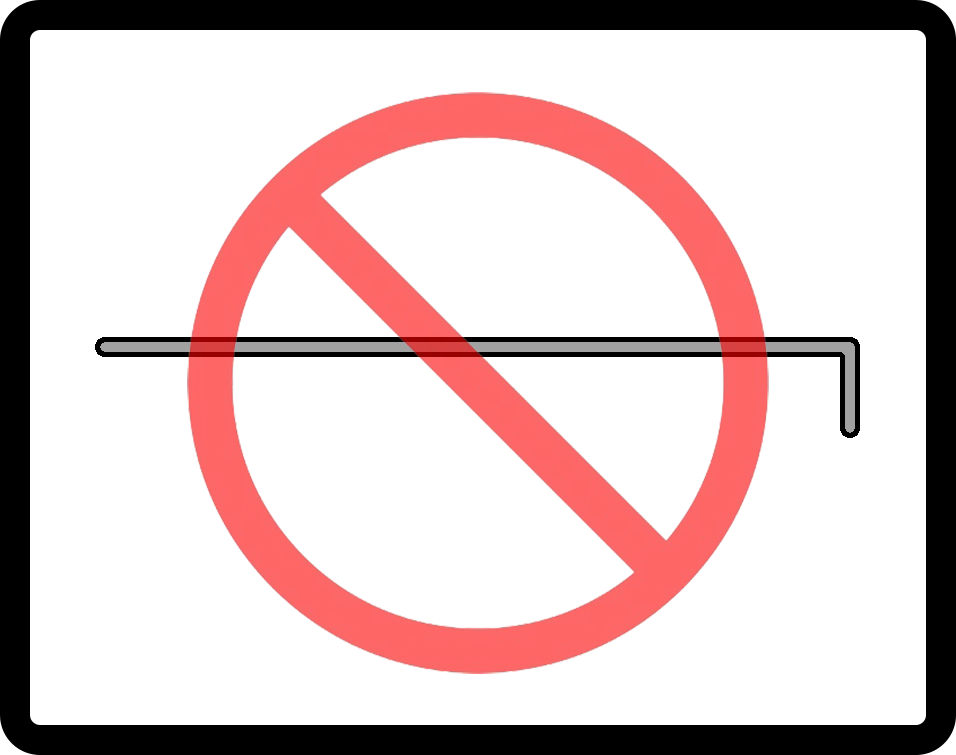
Avoid short legs
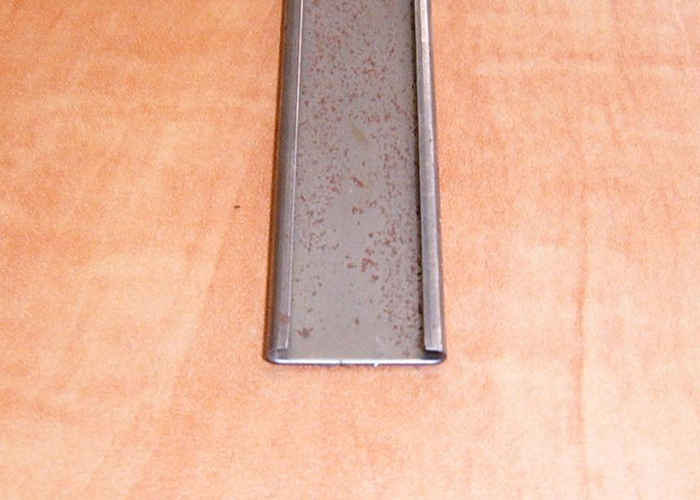
Short leg lengths should be avoided - MP Metals
HOLLOW/AIR FORMING
Whenever possible, avoid air forming (a bend or area that is not in direct contact with the rollforming tools, i.e., the bend is not supported by a roller on both sides). Dimensional accuracy is more difficult to control with this type of design. It is highly recommended to avoid it unless necessary for the design.
Cold roll-forming blind corners—bends without internal roll support—require strategic design to prevent distortion and cracking. Key techniques include utilizing adjacent bends to support the material, ensuring a minimum bend radius of 1.5 - 2.0 times the material thickness, and managing flange lengths at 3 times the material thickness to avoid lifting or twisting.
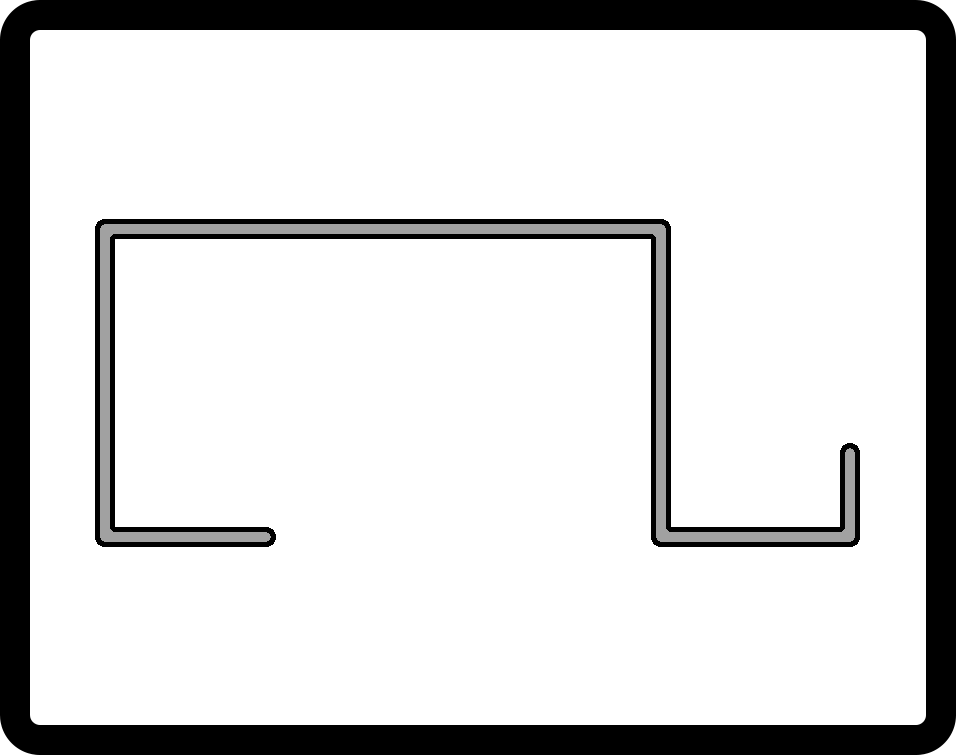
Good example of a hollow
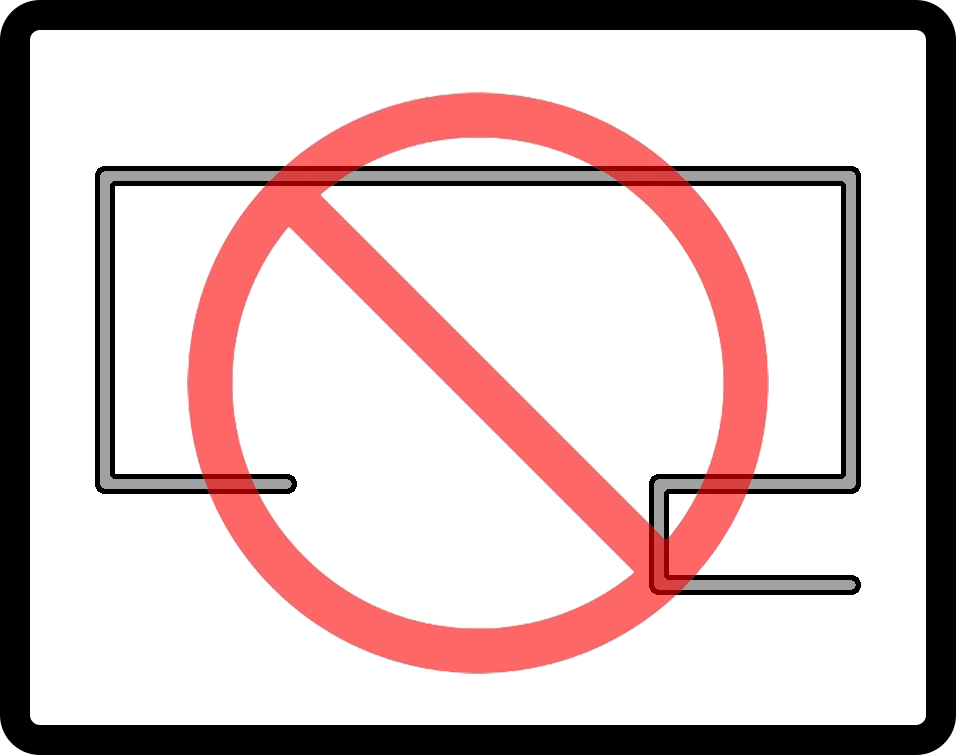
Avoid hollows unreachable by a forming tool
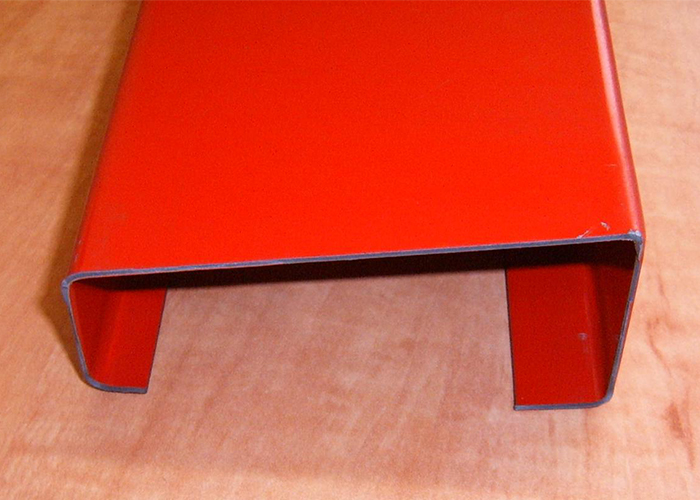
Blind corners should be avoided - MP Metals
FLAT AREAS
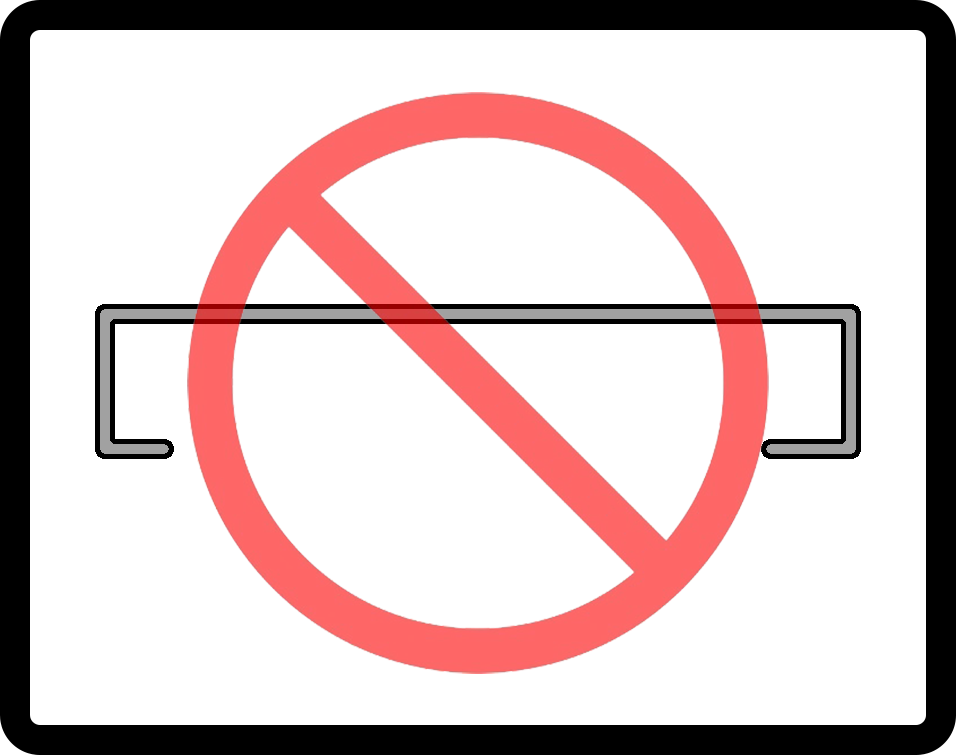
M.P. Metal Products suggests that when faced with wide, flat areas, consider adding ribs or grooves to remedy potential problems. Large, flat, unsupported areas can cause waviness, oil canning, or distortion. Key, actionable suggestions include adding longitudinal ribs or stiffening grooves (min .25" high) every 6", limiting flat widths relative to material thickness, and, for edge flats, utilizing small bends or hems.
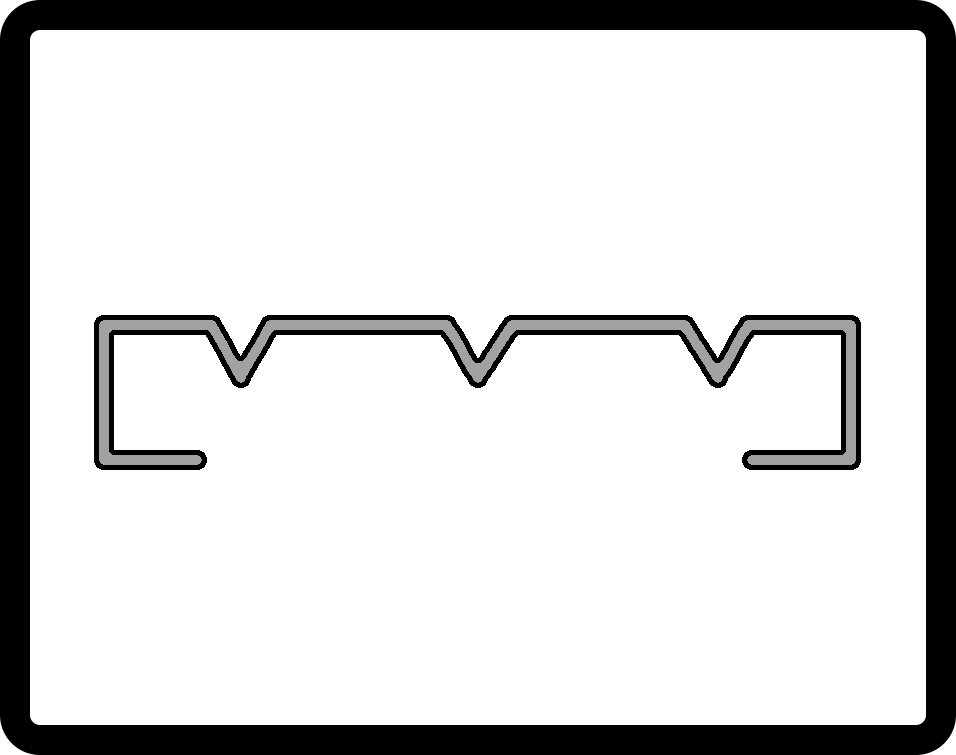
Large, flat, unsupported areas can cause waviness, oil canning, or distortion
Add longitudinal ribs or stiffening grooves
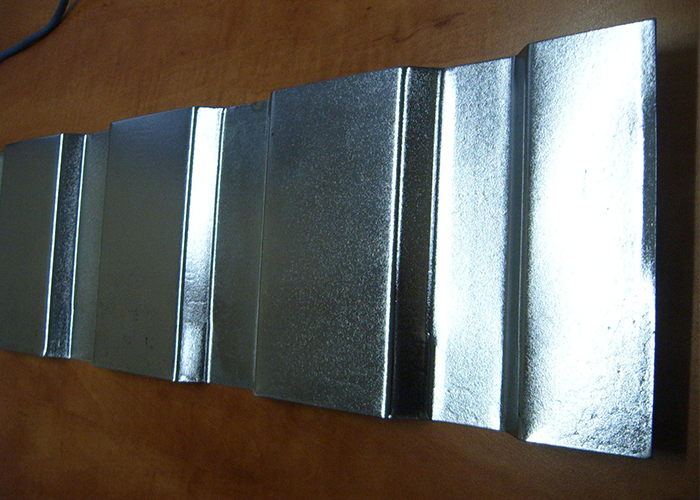
Add ribs to stiffen flat areas - MP Metals
NOTCHING AND HOLES
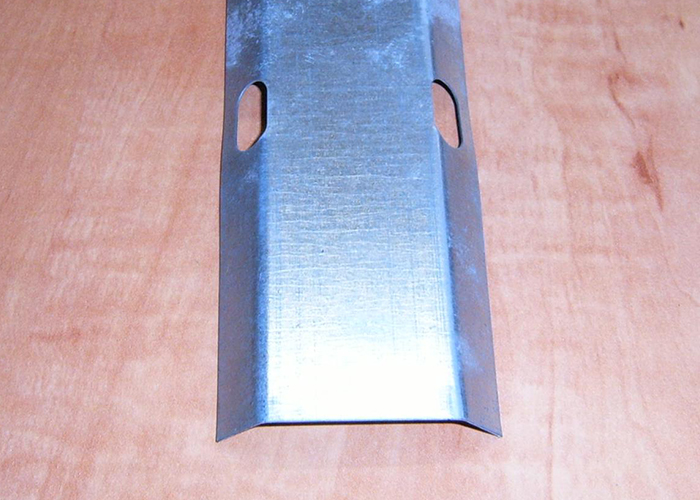
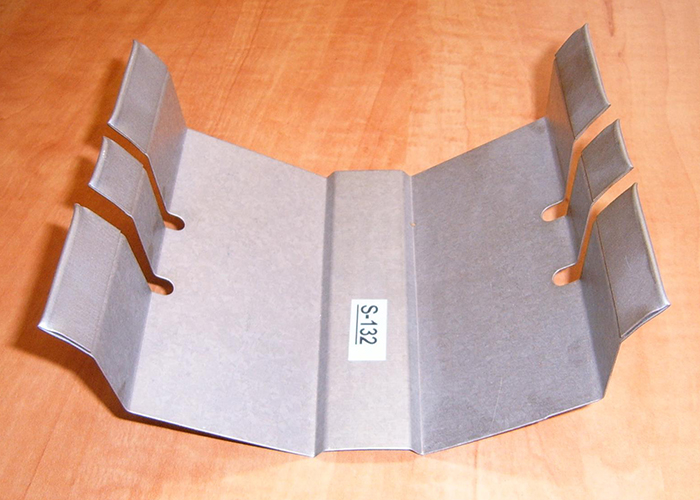
Try to position notches, slots, holes, etc., away from the bend line and the edge to avoid distortion, structural weakness, and dimensional inaccuracies. Ве aware that these openings may become distorted in size and shape during roll-forming. Key recommendations include placing features away from bend lines, using pre-punching for high-volume efficiency, and applying post-punching for better accuracy.
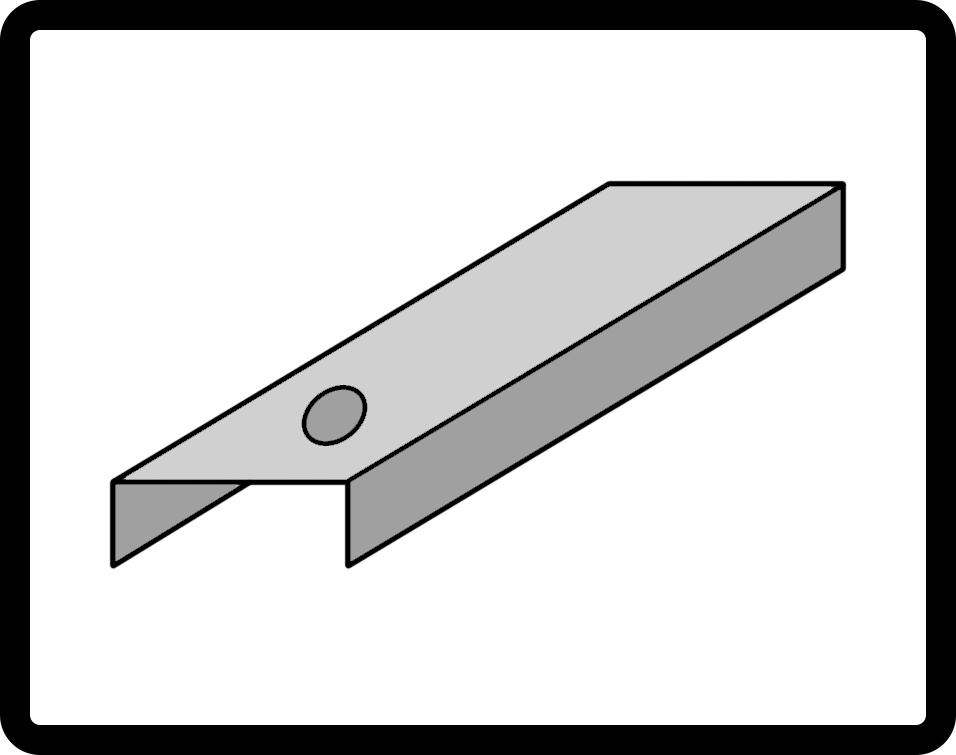
Holes should not be near or on bends
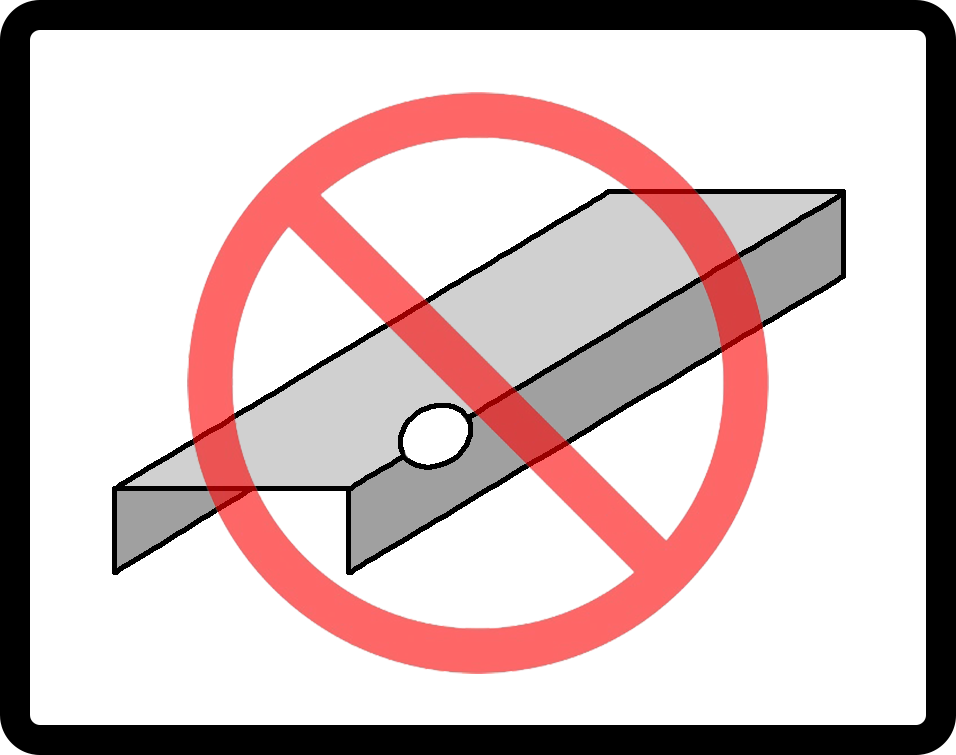
Holes on bends tend to distort
Hole pattern - MP Metals
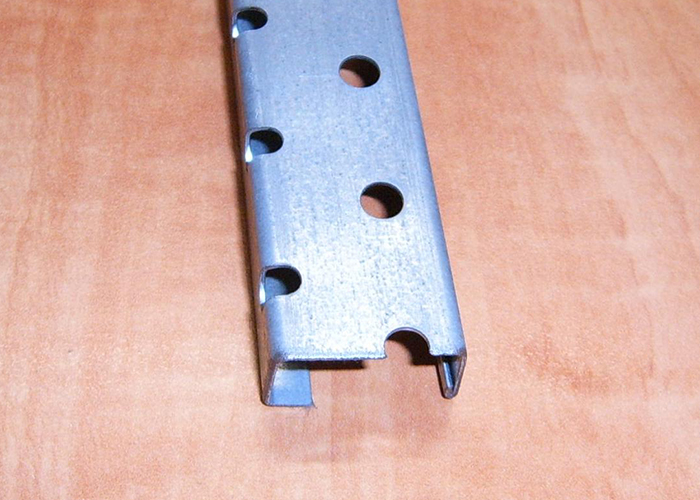
Holes along a part - MP Metals
Notch pattern - MP Metals
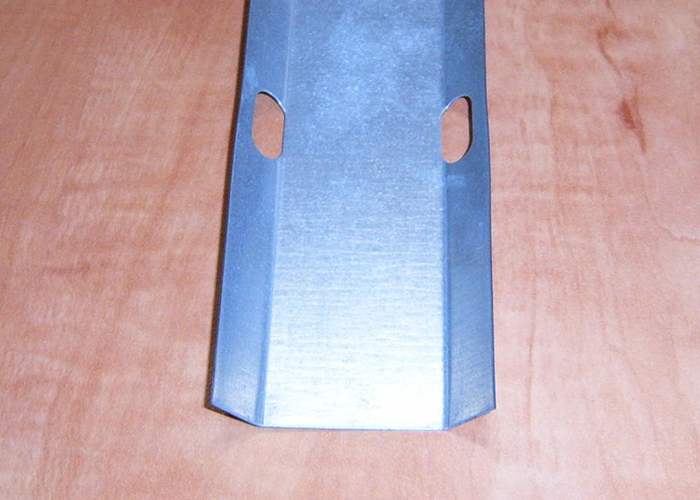
Side holes - MP Metals
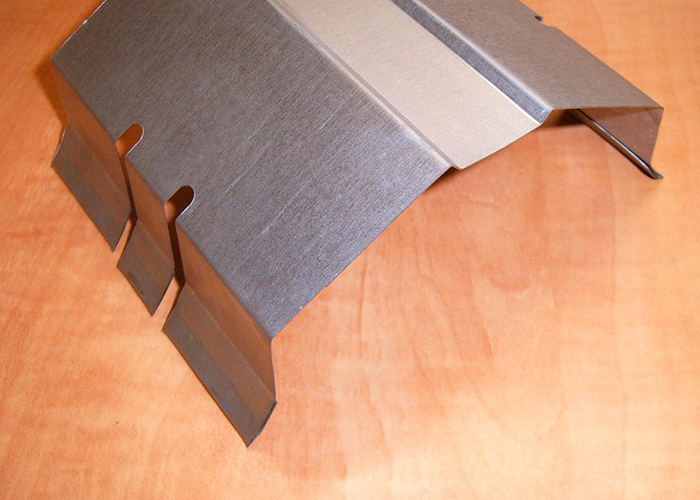
Side notches - MP Metals
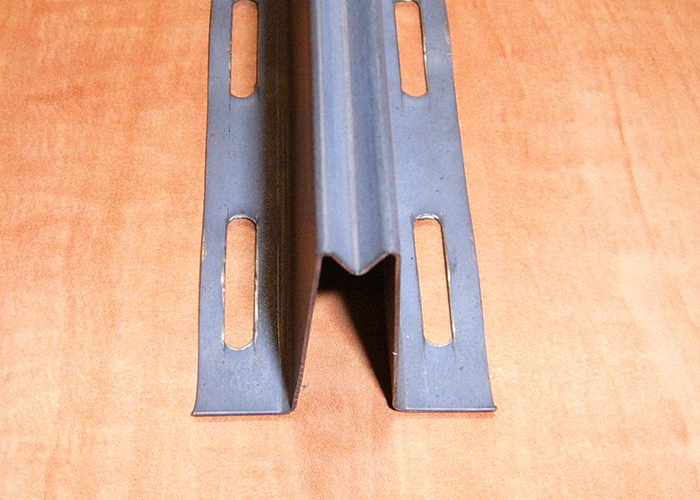
Slot pattern - MP Metals
END CUT
When a part is pre-cut (cut before roll-forming), the leading end and trailing end are both likely to be distorted and flared. The precut method may be advantageous to pocket areas and mitred edges.
In contrast, a part may be post-cut (cut after rollforming) with a flying cut-off die, shaped to fit the profile. Post cutting produces somewhat less end cut distortion. This method is most common and efficient.
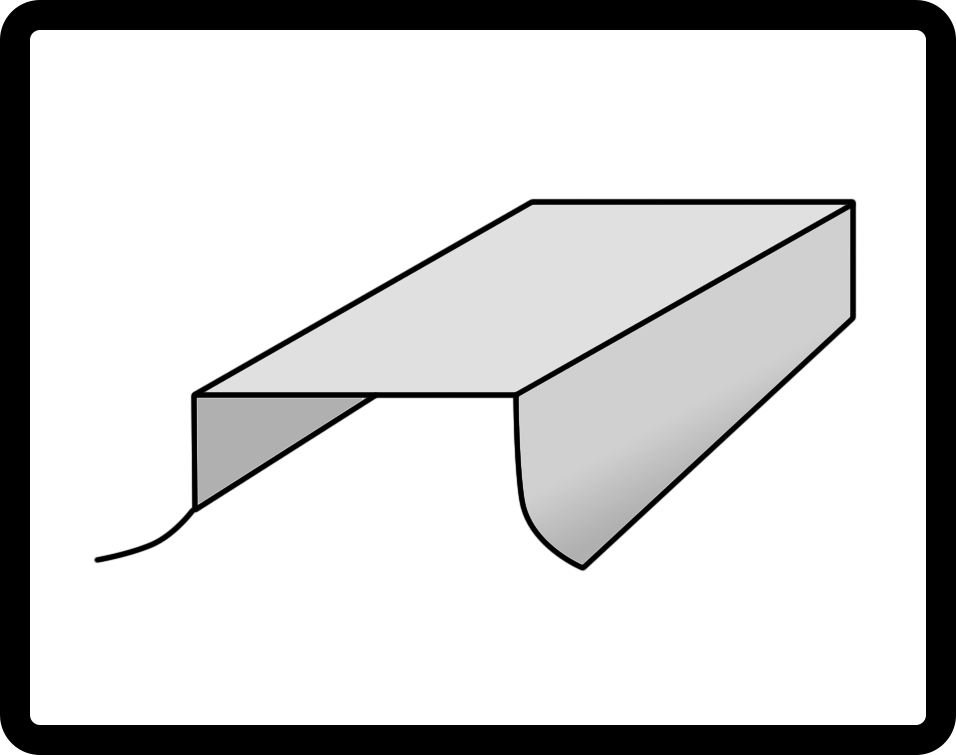
Pre-cut ends will tend to flare
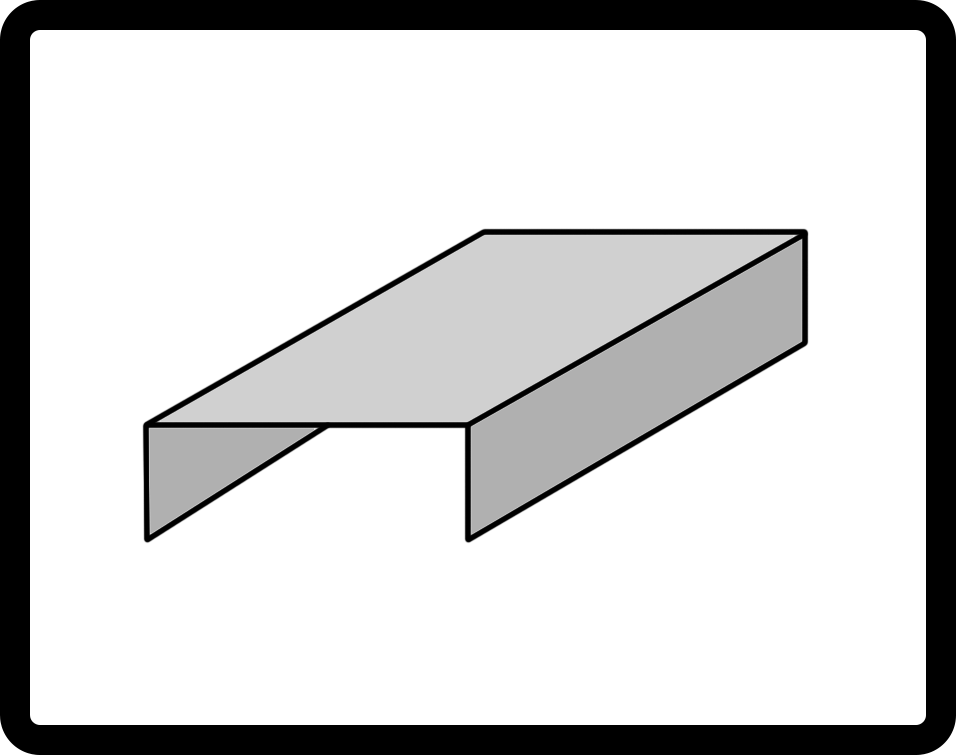
Post cutting trims wavy or flared ends
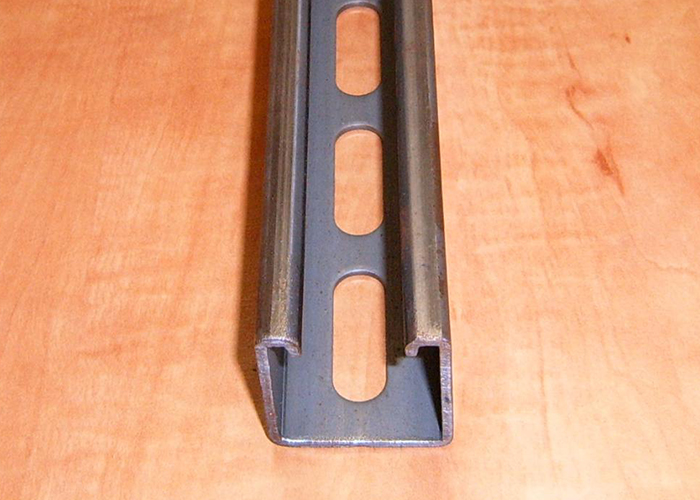
Flared end - MP Metals
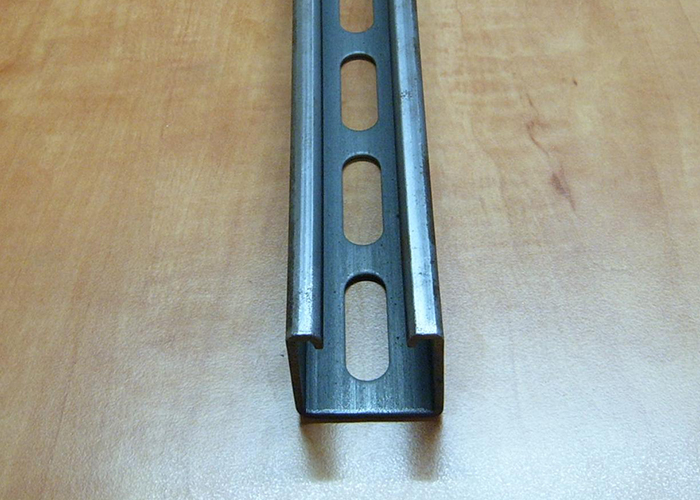
Flared end - MP Metals
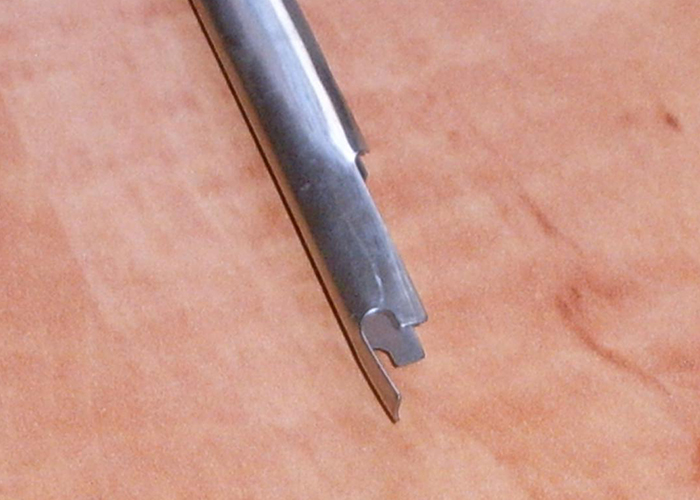
Cut end - MP Metals
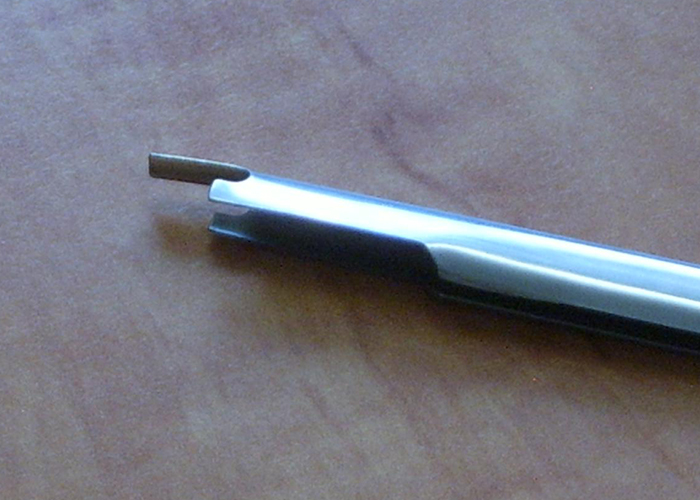
Cut end, side view - MP Metals
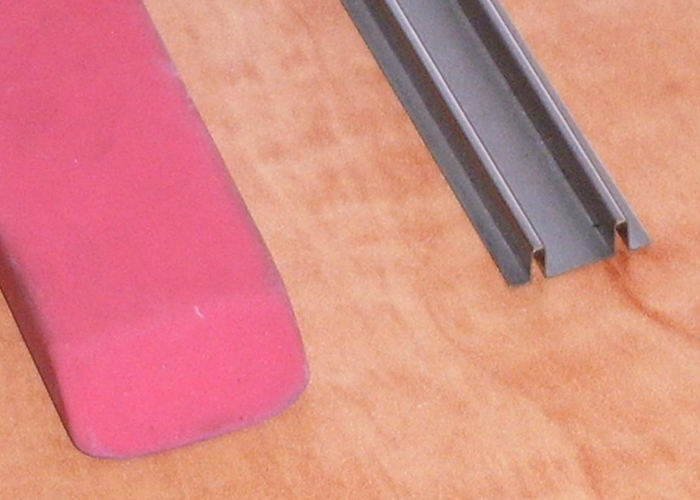
Open end - MP Metals
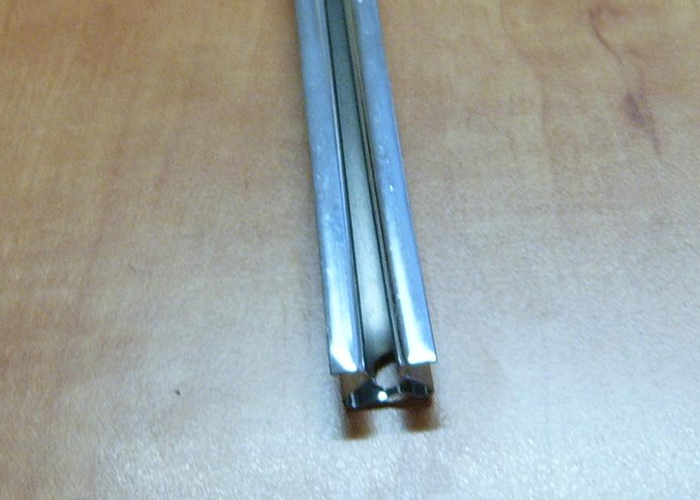
Flare at end - MP Metals
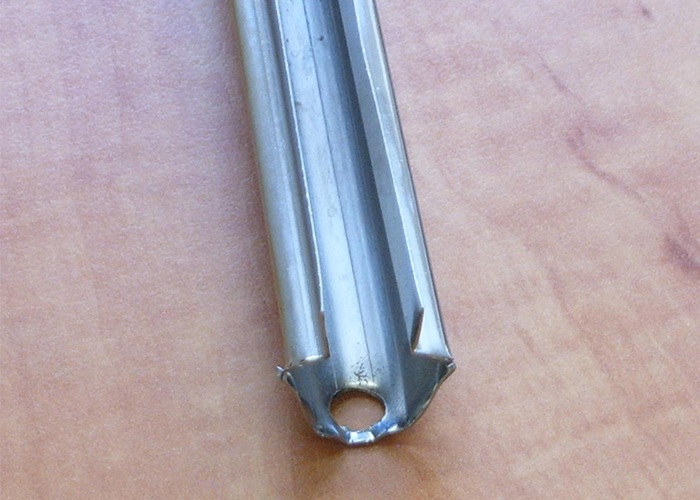
Tapered end flare - MP Metals
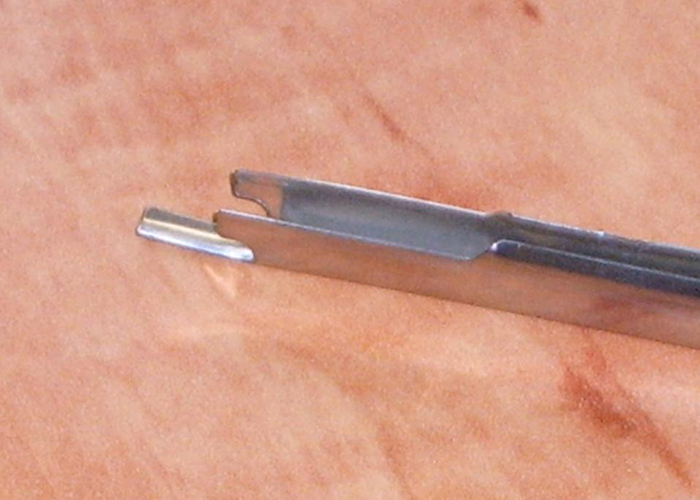
Cut end detail - MP Metals
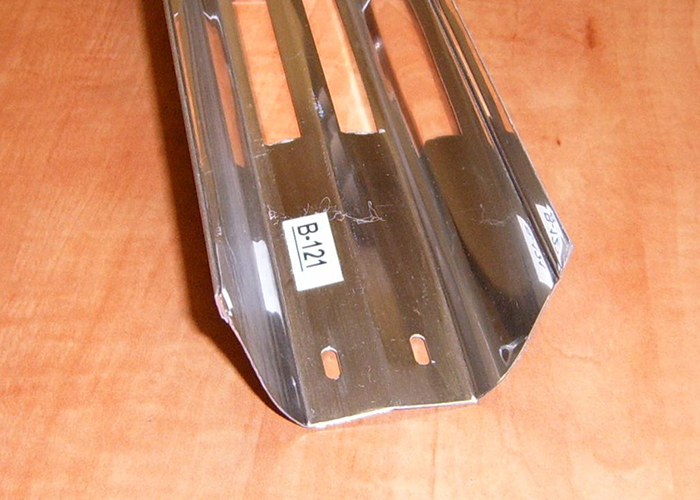
Open end - MP Metals
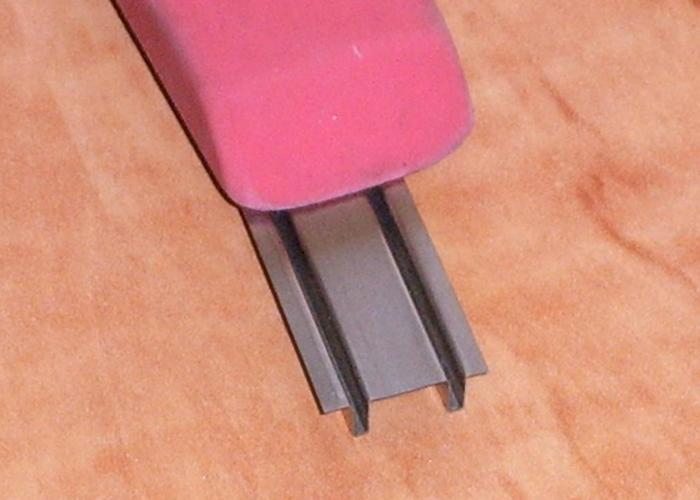
Open cut end - MP Metals
TOLERANCES
Depending on the gage and metal tolerance, cross section tolerances of +/-.015 and angular tolerances of +/- 2° are typical. Length tolerances of +/- .125" per 12 feet are routine. Tolerances may be de-signed tighter as required.
STRAIGHTNESS
A) Bow or Camber: The deviation from a straight line in the vertical plane.
B) Lateral or curve or sweep: The deviation from a straight line in the horizontal plane.
C) Twist: The deviation from vertical and horizontal lines in a corkscrew shape: "propeller effect".
Bow and lateral are typically held to +/- .125" per 10 feet. Twist is typically held to less than 5° per 10 feet. These conditions can be caused by variations in metal hardness and thickness, by slitting pressures, burrs and stretching. Tighter tolerances can often be held with appropriate tooling design.
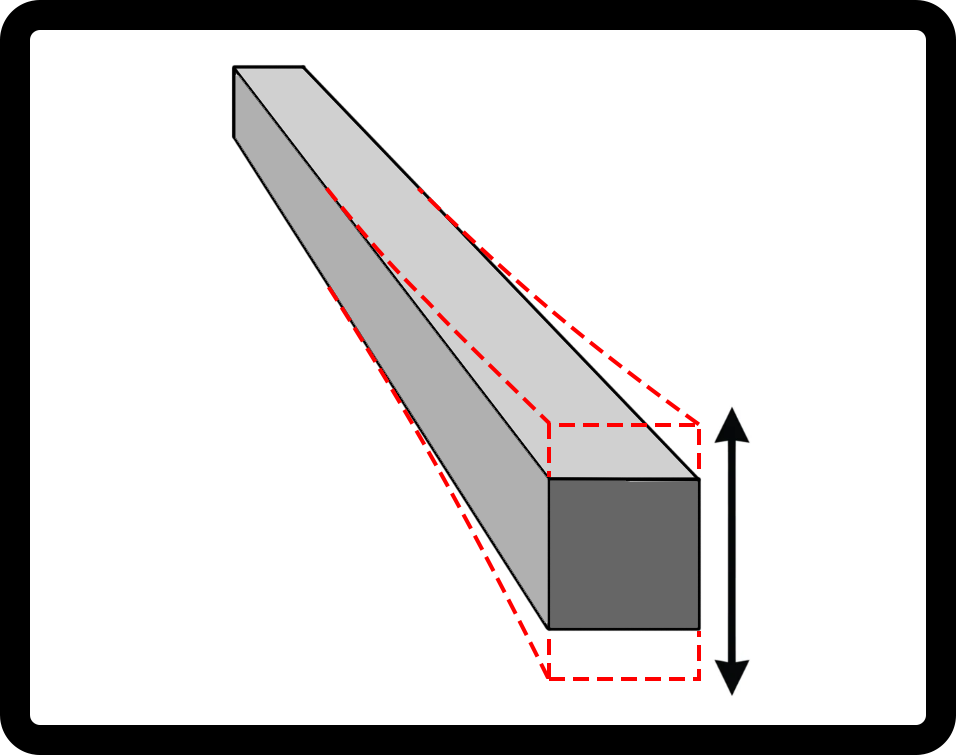
Bow or Camber is deviation vertically
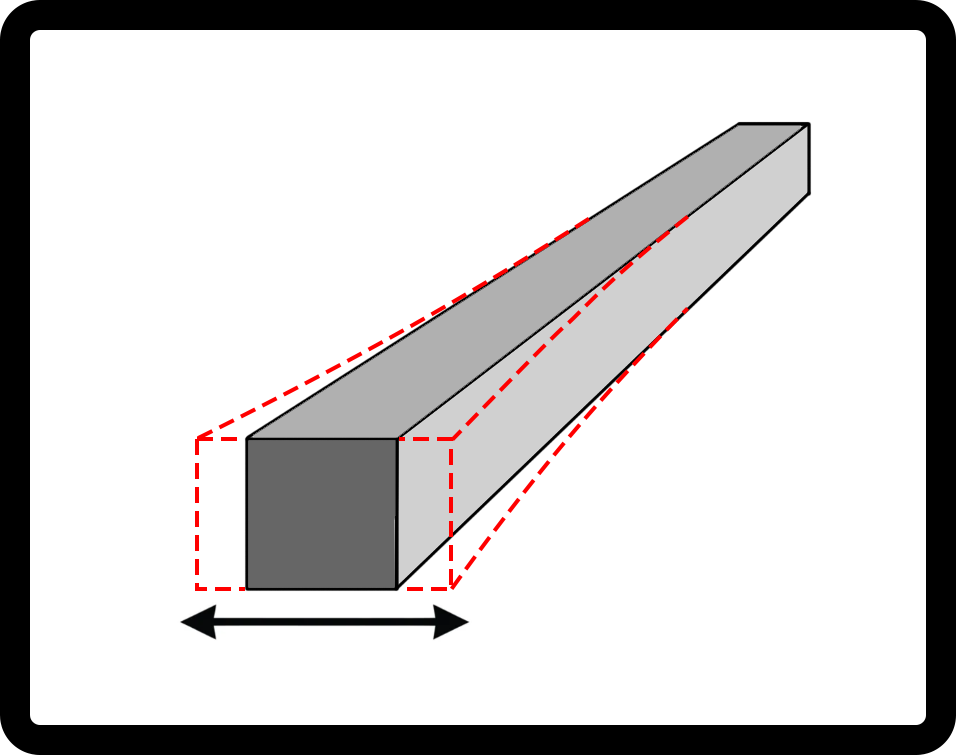
Lateral or curve or sweep is deviation horizontally
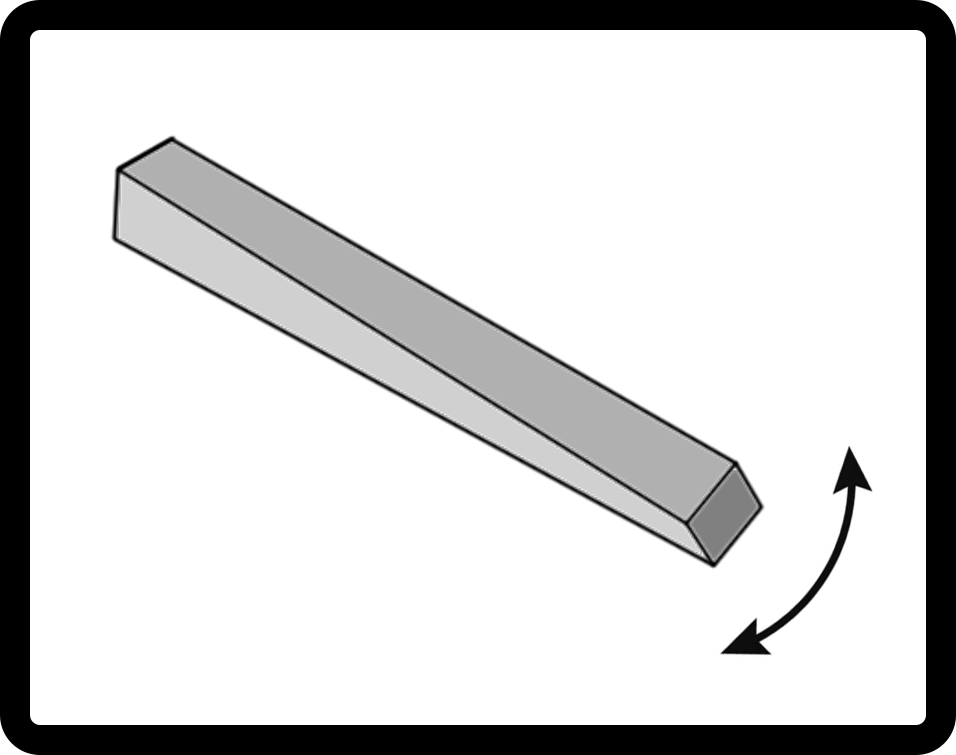
Twist is deviation longitudinally, like a propeller
SPRING BACK (MEMORY)
Spring back occurs when the elastic limit of the metal is not exceeded during a bending operation. In effect, the stock returns partially to its original pre-bent shape. Spring back can be countered by proper design of tooling that intentionally stresses the stock beyond the elastic limit and then, at another step, sets the correct shape by finish forming.
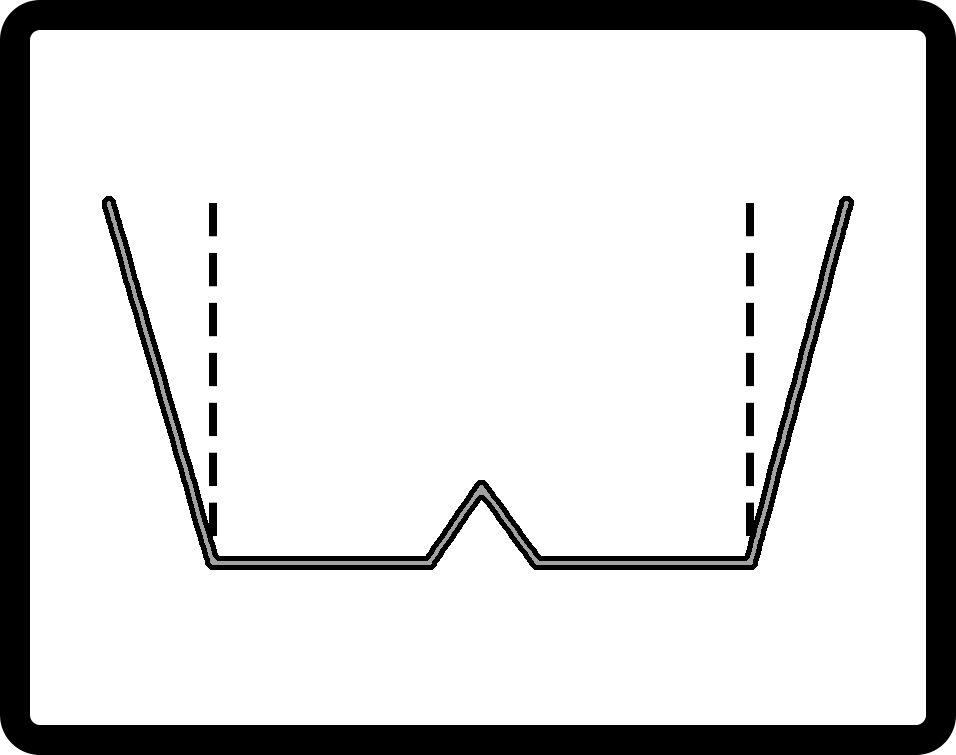
Spring back occurs when the elastic limit of the metal is not exceeded
Roll formed metal parts are usually cheaper to manufacture than cast or machined parts.
Contact MP Metals today and let us answer your questions about roll forming and maybe we can save your company some money, too.